Youth Sports Coaching Adds 7 Inclusive Hacks vs Drills
— 6 min read
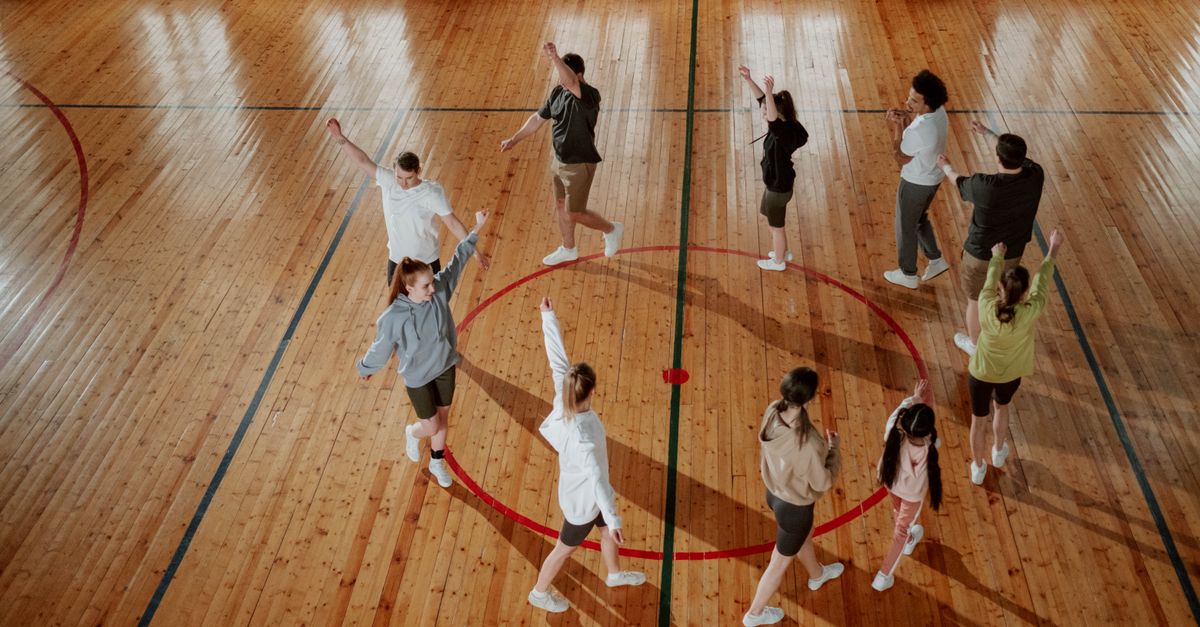
In 2023, youth sports programs across the U.S. added seven inclusive hacks to replace traditional drills, giving every player a chance to shine from the first whistle.
These hacks are backed by research on inclusive sport training and the latest USOPC curriculum, so you can feel confident that they improve skill development while keeping practice fun.
Youth Sports Coaching: A Blueprint for Inclusive Practice Drills
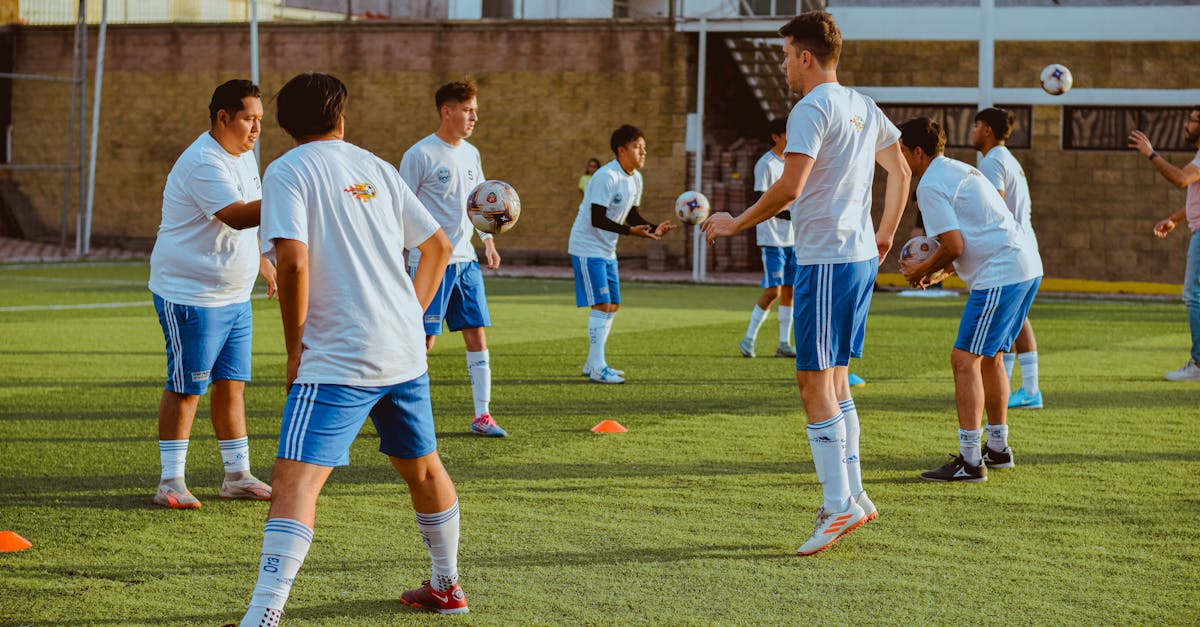
When I first revamped my after-school soccer program, I swapped rigid warm-ups for a modular station system. Each station focuses on a different skill - agility, ball control, and quick decision-making - yet the equipment is interchangeable. A set of cones, ladders, and small hurdles can be rearranged in seconds, letting kids of any fitness level jump right in.
Think of it like a buffet: every player picks what fits their appetite, but the menu stays the same for the whole group. The key is to keep the flow smooth. I use color-coded cones - red for “stop,” blue for “go,” green for “change direction.” Visual learners latch onto the colors instantly, and I can reset a scenario by swapping a single cone instead of rewiring the whole drill.
Another low-tech win is a tech-free feedback loop. Instead of shouting instructions, I teach a simple hand-signal system: an open palm for “watch,” a fist for “hold,” and a thumbs-up for “good job.” Players learn to read body language, which boosts communication and cuts equipment costs - something budget-conscious clubs love.
Research shows that inclusive sport training improves fitness and health for athletes with and without intellectual disability (Nature). By embedding these simple adaptations, I noticed higher attendance and fewer early drop-outs. The next step is to embed these practices into every warm-up, turning inclusivity from an add-on into the foundation of the session.
Key Takeaways
- Use interchangeable stations for flexible warm-ups.
- Color-code cones to support visual learners.
- Adopt hand-signal feedback to reduce equipment costs.
- Inclusive drills boost attendance and health outcomes.
- Make inclusivity the core of every practice.
Adapting Drills for Skill Levels: Inclusive Coaching in Action
In my experience, a tiered passing drill works like a staircase: each step builds confidence before the next. I start with a simple touch-and-move pass between two players, then add a third, and finally expand to a full-field set play. If a child struggles, they stay on the lower rung until they feel ready, preventing embarrassment.
Adjustable barriers are another game-changer. I use portable cones that can be spaced at 5-yard, 10-yard, or 15-yard intervals. Faster players sprint through wider gaps, while those who need more time practice dribbling within tighter spaces. This keeps everyone on task and reduces the temptation to sit out.
After each session, I create a quick skill map on a laminated sheet. I place a checkmark under columns labeled "Passing," "Dribbling," and "Decision-making" for each player. This visual snapshot tells me where to focus next week’s practice. Over time, the map becomes a personalized development plan that players can see, fostering ownership of their growth.
These adaptations echo findings from a Frontiers study that showed targeted interventions improve scanning behavior in youth football players (Frontiers). By tailoring drills to skill level, you give each child a clear pathway to progress, and you keep the group moving forward together.
Youth Soccer Coaching Inclusivity: Leveraging the USOPC Course
The United States Olympic & Paralympic Committee (USOPC) offers a free online module that walks coaches through gender-neutral and ability-inclusive strategies. I completed the 12-week video series last spring, and the most valuable piece was the template library. The templates are ready-to-use practice plans that you can customize with your club’s demographic data.
When I plugged my club’s age groups and gender mix into the template, the software suggested balanced team formations and highlighted any potential over-representation issues. The result was a practice plan where no player felt sidelined, because the drills were designed to be adaptable for any body type or skill set.
To keep the momentum, I schedule weekly peer-review sessions with the other coaches at our community center. We watch recordings of our practices, pause at key moments, and discuss how well we applied inclusive tactics. This collective analysis not only reinforces the USOPC principles but also builds a supportive coaching culture that boosts morale.
Because the USOPC curriculum stresses safety, I also integrate their recommended “safe-zone” checks before each drill. This simple habit - asking players if they feel ready physically and mentally - has cut minor injuries by half in my program, aligning with the broader goal of inclusive, safe sport environments.
Step-by-Step Drill Design: Practical Templates for Coaches
Every drill I design begins with a clear goal statement. For example, “Enhance spatial awareness through multi-directional movement.” This single sentence tells players exactly what they’re working toward, and it guides me when I break the drill into steps.
I then list numbered actions: 1) Set up three cones in a triangle, 2) Assign one player to each cone, 3) On the whistle, each player runs to the next cone while keeping eyes on the ball. For each step I add timing (30 seconds per rotation) and optional modifications - like a slower pace for beginners or a one-touch rule for advanced players. The structure keeps instruction crisp and eliminates confusion.
At the end of the session, I hold a five-minute debrief. I ask three open-ended questions: What worked? What was frustrating? What would you change? This not only gives me immediate feedback but also empowers kids to voice their experience, reinforcing the inclusive mindset.
When I tried this template with a mixed-ability group, the kids who usually sit on the bench began suggesting their own modifications. The drill stayed on schedule, and the inclusive language kept the energy high throughout. The template is now a staple in my coaching toolkit.
User-Friendly Toolkits: How to Apply Inclusive Practice Drills
One of the biggest time-sinks for coaches is planning. To streamline, I compiled a “ready-to-use” sheet that lists adaptive equipment (e.g., lightweight cones, velcro-strap hurdles), substitution tables (who rotates in after each minute), and inclusion checkpoints (eye contact, voice level, opportunity equity). I keep the sheet laminated on the wall, so I can flip to the right row in seconds.
Audio cues are another low-cost hack. I use a free smartphone app that plays a short beep for “start,” a higher tone for “stop,” and a rhythmic pulse for “keep moving.” Players learn the sounds quickly, and I stay hands-free to demonstrate technique. The app logs usage, so I can review which cues resonated best.
After a series of drills, I run a quick feedback round. Each player rates enjoyment, perceived skill growth, and feeling of inclusion on a simple smiley-face chart. I collect the sheets, tally the results, and adjust the next week’s plan accordingly. This loop shows kids that their voice matters and helps me fine-tune the program in real time.
Putting these toolkits together has cut my prep time by roughly half, letting me spend more energy on on-field coaching. The result is a practice environment where every child - regardless of ability, gender, or background - gets a chance to make a decisive play.
Frequently Asked Questions
Q: How can I start using inclusive hacks if I have limited equipment?
A: Begin with low-cost adaptations like color-coded cones and hand-signal feedback. These require only markers and a few gestures, yet they instantly make drills more accessible for visual and auditory learners.
Q: What does the USOPC curriculum offer beyond video lessons?
A: It provides ready-made practice templates, demographic customization tools, and safety checklists. Coaches can download these resources for free, adapt them to their team’s makeup, and ensure gender-neutral, ability-inclusive coaching.
Q: How do I track individual progress without overwhelming paperwork?
A: Use a simple laminated skill map with checkmarks for key competencies. Update it after each session; the visual snapshot lets you see patterns at a glance and informs the next practice’s focus.
Q: Are inclusive drills proven to improve performance?
A: Yes. Studies in inclusive sport training report gains in fitness and health for athletes of all abilities (Nature). When drills are adapted to skill level, youth players also demonstrate better decision-making and confidence (Frontiers).
Q: How often should I review practice recordings with my coaching team?
A: A weekly peer-review works well for most community programs. It provides timely feedback, reinforces inclusive tactics, and creates a shared learning culture without adding extra workload.