The Ultimate Guide to Youth Sports Coaching: From Player Development to Legal Safeguards
— 6 min read

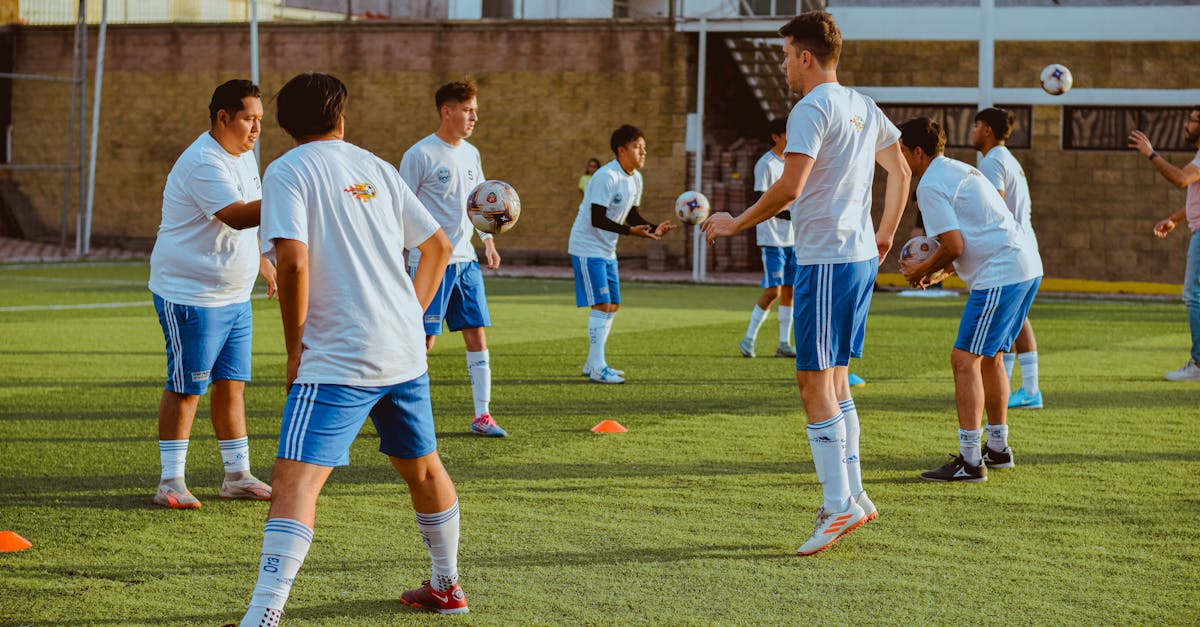
Youth sports coaching is the structured process of guiding young athletes to improve skills, confidence, and teamwork while ensuring safety. In 2023, more than 45 million children in the United States participated in organized youth sports, according to the Sports & Fitness Industry Association. This surge makes effective coaching more crucial than ever for player development and lifelong health.
Why Youth Sports Coaching Matters Today
I’ve spent years on the sidelines, watching kids transform from tentative beginners into confident competitors. The impact of a good coach isn’t just about winning games; it’s about shaping character, fostering resilience, and opening doors to future opportunities.
According to Wikipedia, the “Big Four” of the sport industry - football, basketball, baseball, and hockey - along with soccer dominate youth participation. These sports are not only popular; they serve as pipelines to college scholarships and professional careers. When a youth athlete demonstrates skill early, parents and coaches often see a valuable career trajectory, echoing the observation that “youth athletes exhibit skills at higher levels than their peers at a young age.”
Think of youth sports like a garden. The soil (environment) must be fertile, the seeds (players) need proper planting (fundamentals), and the gardener (coach) must nurture growth with consistent water (practice) and sunlight (positive feedback). Without that care, even the best seeds won’t thrive.
“More than 45 million children participated in organized sports in 2023, highlighting the massive reach of youth athletics.” - Sports & Fitness Industry Association
Core Pillars of Effective Coach Education
Key Takeaways
- Blend skill drills with sportsmanship lessons.
- Engage parents early and often.
- Prioritize safety and legal compliance.
- Use data-driven player development plans.
- Continuously upgrade coach education.
When I designed my first coach-education workshop, I focused on five interlocking pillars:
- Technical Mastery: Drills that reinforce fundamentals - passing, shooting, footwork - while keeping the pace fun.
- Sportsmanship & Ethics: Teaching respect for opponents, officials, and teammates.
- Safety Protocols: Injury prevention, concussion awareness, and compliance with local laws.
- Parent Communication: Transparent expectations and regular updates.
- Continuous Learning: Certifications, webinars, and peer reviews.
Pro tip: Keep a “coach journal” after each practice. Jot down what worked, what didn’t, and any safety concerns. Over time, patterns emerge, allowing you to refine drills and reinforce positive behaviors.
According to Wikipedia, youth sports encompass school-based programs and community leagues, both formal and informal. That breadth means a coach must be adaptable - whether you’re running a varsity-level basketball squad or a backyard soccer clinic.
Building a Player Development Roadmap
In my experience, the most successful programs treat development as a roadmap, not a sprint. Here’s a six-step framework I use with teams ranging from elementary school to middle-school age groups:
- Assessment: Conduct baseline skill tests (e.g., dribbling speed, throwing accuracy). Record data in a simple spreadsheet.
- Goal-Setting: Set SMART goals - Specific, Measurable, Achievable, Relevant, Time-bound - for each athlete. Example: “Increase free-throw accuracy from 45% to 60% by the end of the season.”
- Individualized Drills: Match drills to identified gaps. Use progressions that start slow and build speed.
- Performance Reviews: Hold bi-weekly mini-reviews with players and parents. Celebrate wins and adjust targets.
- Game-Sense Integration: Blend skill work with small-sided games that emphasize decision-making.
- Transition Planning: As athletes outgrow a level, prepare them for the next competitive tier - high school club, travel team, etc.
Think of the roadmap like a GPS. You input the starting point (current skill level) and the destination (desired performance). The device then offers turn-by-turn directions (drills) and recalculates if you miss a turn (a slump in performance).
When you embed this process into weekly practice, you’ll notice players improving not just technically, but also mentally - showing greater focus and confidence. This aligns with the “player development” keyword that coaches and scouts search for across platforms like ESPN.
Managing Team Dynamics and Parent Partnerships
Team chemistry is the invisible glue that turns a collection of skilled individuals into a championship unit. I learned this early when coaching a middle-school basketball team; the most talented players were often the most disruptive.
Here are three tactics that have worked for me:
- Clear Role Definition: Assign each player a primary role (e.g., “defensive stopper,” “transition scorer”) and discuss it openly.
- Leadership Rotations: Rotate captains weekly to foster shared responsibility.
- Parent Workshops: Host a quarterly session titled “Cheering from the Sidelines” where we outline acceptable behavior, talk about the importance of constructive feedback, and answer any “how do i get espn back” style questions about watching games online.
In my coaching career, I’ve seen that when parents understand the “why” behind practice structures, they’re more likely to reinforce lessons at home. This partnership also helps navigate sensitive topics - like gender identity - under the current legal climate.
Per Wikipedia, the “PROTECT Kids Act” (HR 736) requires parental consent for any gender-related changes up to grade 8. Meanwhile, the “SAFETY Act” (July 2024) protects students from being outed without their permission. Coaches must stay informed to respect both the athletes’ privacy and the legal requirements, especially when working with LGBTQ + participants.
Safety Protocols and the Legal Landscape
Player safety is non-negotiable. In my practice, I run a pre-season safety audit that checks equipment, field conditions, and emergency action plans. Here’s the checklist I use:
| Area | Key Check | Frequency |
|---|---|---|
| Equipment | Helmet fit, protective pads, proper footwear | Before every practice |
| Medical | Concussion baseline tests, AED availability | Monthly |
| Legal | Parental consent forms, SAFETY Act compliance | Annually (pre-season) |
Transgender rights vary widely across states. As Wikipedia notes, recent federal and state legislation has both expanded protections and introduced new restrictions, especially in Republican-led states since 2025. As a coach, staying current with your state’s regulations protects you, the athletes, and the organization.
Pro tip: Keep a digital folder - Google Drive or Dropbox - named “Coach Compliance.” Store all consent forms, medical releases, and policy updates there. When an audit occurs, you’ll have everything at your fingertips.
Leveraging Resources: From ESPN Schedules to Community Partnerships
Even the best coaching plan needs external resources for motivation. I regularly pull the “espn week 1 schedule” and “espn week 10 schedule” to show players how elite athletes prepare for big games. When kids see the professional schedule, they’re more eager to practice the drills we’ve assigned.
If a family asks “when will espn be back” after a service outage, I direct them to the “espn schedule this week” page for the latest updates. This small gesture builds trust and reinforces the idea that staying informed is part of being a serious athlete.
Beyond national media, community partnerships - like the collaboration highlighted by Independent Newspaper Nigeria, where Imo State hosted ESPN star Chiney Ogwumike and launched a foundation for girls in sports - can provide scholarships, equipment, and mentorship opportunities. Aligning your program with local businesses or alumni networks can amplify these benefits.
Finally, remember that coach education is a lifelong journey. The NFL legend Aaron Donald’s recent advocacy role with the league’s $50 billion broadcasting partner (per EssentiallySports) shows that even elite athletes continue learning and giving back. Your willingness to evolve will inspire the next generation.
Frequently Asked Questions
Q: How can I start a youth sports program if my school lacks funding?
A: Begin by rallying community support - approach local businesses for equipment donations, use public parks for practice space, and recruit volunteer parents as assistant coaches. Create a simple budget, apply for small grants from sports foundations, and leverage free online coaching resources to keep costs low.
Q: What are the essential safety checks before each practice?
A: Verify that helmets and pads fit properly, inspect the playing surface for hazards, ensure first-aid kits are stocked, and confirm that an emergency action plan is posted. Conduct a quick concussion symptom review with athletes, especially in contact sports.
Q: How do I involve parents without letting them dictate coaching decisions?
A: Schedule regular informational meetings that outline coaching philosophy, practice structure, and player development goals. Provide a channel - like a monthly newsletter or a private group chat - where parents can ask questions, but make it clear that on-field decisions remain the coach’s responsibility.
Q: What resources can help me stay current with transgender athlete regulations?
A: Follow updates from the National Center for Transgender Equality, attend webinars hosted by LGBTQ + advocacy groups, and regularly review state legislation portals. Many sports governing bodies also publish policy guides that align with the “SAFETY Act” and the “PROTECT Kids Act.”
Q: Where can I find age-appropriate skill drills for a mixed-gender team?
A: Websites like CoachUp, the American Sport Education Program, and even the “espn news this week” segment often share drill videos categorized by age and sport. Look for drills that emphasize fundamental movement patterns - agility ladders, passing circles, and balance challenges - that work equally well for all athletes.