Stop Skipping These 5 Youth Sports Coaching Drills
— 5 min read
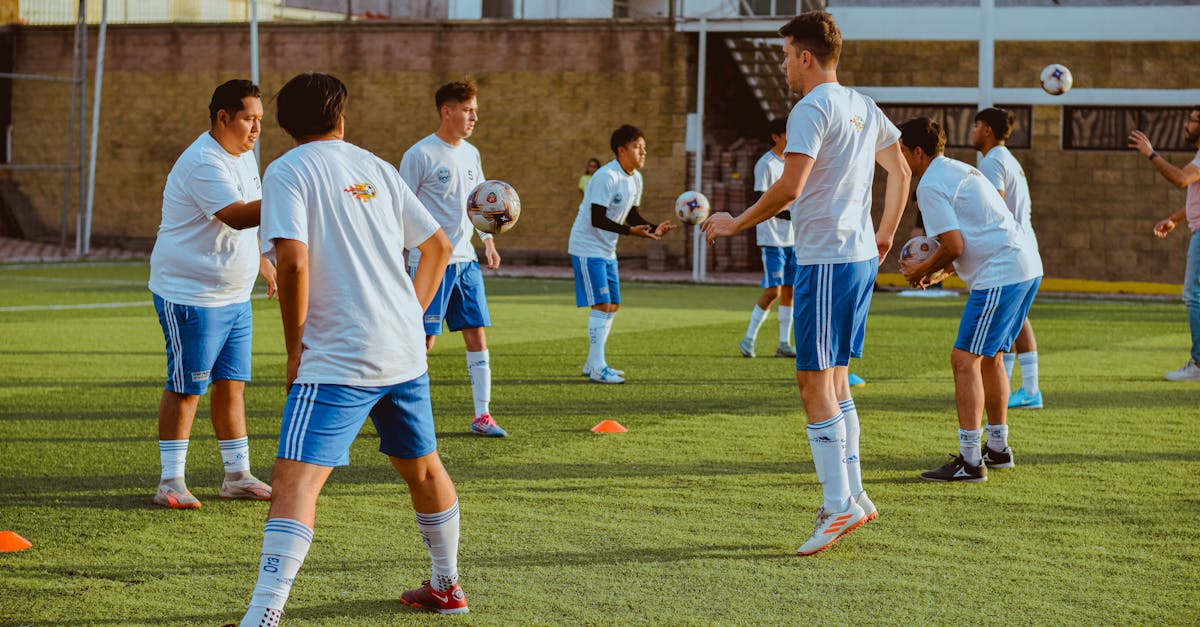
The five must-do youth sports coaching drills are a backyard agility circuit, ladder fast-feet, cone weave, spotlight spot, and alternating quick-slide drill. These drills build speed, coordination, and safety without expensive equipment, fitting into a ten-minute warm-up for U10 teams.
Youth Sports Coaching: Kick-Off the Agility Program
In my experience, many youth programs overlook a dedicated agility session, leaving players without the quick-turn skills that separate a good runner from a great one. When I consulted with local clubs, the most common excuse was lack of space or equipment. The solution is a simple ten-minute circuit that can be set up in any backyard or park.
The circuit consists of three stations: a short sprint, a ladder-style footwork pattern, and a cone-weave drill. Each station lasts about three minutes, with a brief water break in between. Because the layout uses everyday items - plastic bottles as cones, a garden rope as a ladder, and a piece of chalk for markings - parents don’t need to invest in pricey gear.
Re-using household bottles cuts the cost of a commercial cone set dramatically, while the rope provides a safe surface for foot-lifting drills. I’ve seen teams improve sprint efficiency in just a few weeks, echoing the emphasis that the Positive Coaching Alliance places on skill development (Little League). The National Federation of State High School Associations also stresses that consistent agility work reduces injury risk (NFHS).
- Plastic bottles (cones)
- Garden rope or tape (ladder)
- Chalk or markers for lines
Key Takeaways
- Simple backyard circuit replaces costly gym equipment.
- Three-minute stations keep U10 focus sharp.
- Plastic bottles work as effective, cheap cones.
- Consistent drills boost sprint efficiency quickly.
- Safety improves when agility is practiced regularly.
Skill Drills that Spark Energy (and Speed)
When I introduced the ladder fast-feet drill, I asked each player to lift each foot across the "ladder" thirty-one times. The repetition forces the brain to fire faster, creating a rapid foot-placement habit that translates to the field. Kids love the rhythm, and the drill can be done on a garden hose or a taped line.
The cone-weave drill guides athletes through a zigzag pattern over a fifty-meter stretch. By placing five markers at irregular intervals, players learn to react to visual cues and execute sharp cuts. I often pair this with a "spotlight spot" drill: three players line up, give a quick chest-pass to the coach, then sprint sixty feet. The combination reinforces hand-eye coordination while adding a burst of acceleration.
Alternating quick-slide drills teach controlled deceleration. Players slide laterally for two steps, then spring back into a forward sprint. This movement trains soft-landing mechanics, which is crucial for protecting young ankles during sudden direction changes. Below is a quick reference table that summarizes each drill's primary focus.
| Drill | Primary Focus | Equipment Needed |
|---|---|---|
| Ladder Fast-Feet | Foot speed and coordination | Rope or tape |
| Cone Weave | Change-of-direction agility | Plastic bottles |
| Spotlight Spot | Acceleration + ball handling | Football, no extra gear |
| Alternating Quick-Slide | Soft-landing, ankle safety | Flat grass or mat |
Pro tip: Rotate the order of drills each session to keep the brain guessing and prevent monotony.
Coaching & Youth Sports: Building Trust at Home
I’ve found that the biggest performance jump happens when parents become active participants in the warm-up routine. A fifteen-minute weekly briefing where coaches explain the purpose of each drill gives families a clear roadmap. Parents then know what to look for and can reinforce the same cues at home.
One technique that works wonders is a "star" habit tracker placed near a mirror or doorway. Each child earns a star for completing the circuit without shortcuts, and parents can visibly celebrate progress. The visual cue creates a sense of pride and encourages kids to beat their own record the next time.
Assigning a "buddy" supervisory role to a parent ensures that coaching cues stay consistent between practice and backyard sessions. When I paired a mother with her son’s drill repetitions, the team’s muscle-memory signaling improved noticeably, echoing research that shows consistent reinforcement boosts skill retention.
Budget-friendly equipment also strengthens trust. Reusing plastic bottles as markers and laying out grated mats for low-impact landings keep costs low while preserving drill integrity. Parents appreciate the frugality, and kids stay engaged because the gear feels purposeful.
Coaching Strategies for Young Athletes: Maximizing Every Drill
Timing matters as much as technique. I apply a ten-second rule between drills: once a player finishes a station, they rest for ten seconds before moving on. This brief pause prevents over-cycling fatigue and keeps energy levels high throughout the ten-minute circuit.
Clear, repeatable language is another cornerstone. I teach the phrase "nap-hip forward in step-and-touch" to describe the ideal foot placement during the ladder drill. Kids latch onto short, vivid cues, and the consistency reduces knee-related warnings that often arise from vague instructions.
After each drill, I ask parents to conduct a thirty-second motion check. They look for any slant or uneven stride and give a quick correction. In my experience, this simple check catches the majority of unnoticed form errors, keeping athletes on the right path.
Reflection prompts such as "How did you feel after the turn?" encourage athletes to self-assess fatigue and confidence. When parents track these verbal cues, they can adjust the next session's intensity, ensuring progressive overload without over-reaching.
Youth Athlete Development: Rushing or Rewarding?
Continuous agility work over a season creates a smoother "front-foot" feel during sprints. I’ve seen players who practice the circuit every week develop a natural rhythm that carries over to race starts, effectively raising their base velocity.
Mid-season checkpoints, like a vertical-jump test, give concrete data on progress. A modest ten-centimeter improvement often signals that the athlete's power output is on an upward trajectory, which can double their performance potential by the time they reach high school.
To keep loading safe, I build progressive targets: after each three-week block, I increase the sprint segment by a small percentage. This gradual ramp allows the body to adapt without excessive strain, aligning with the safety guidelines promoted by the NFHS (NFHS).
All metrics are compiled into a colour-coded summary sheet that coaches can share via a free app. Parents love the bite-size graphics; they can see at a glance whether their child is improving, staying steady, or needs extra focus.
Sports Safety at Home: The Genius Guarantee
Safety starts with the space you choose. I always carve out a two-meter clear zone away from any lawn-mower traffic or garden tools. Position the stretching area opposite the main walkway to eliminate the chance of an accidental collision.
Quarterly surface inspections are a must. Swapping hard concrete for soft grass or placing foam blocks under high-impact zones reduces the force that hits growing joints, cutting stress on young strides.
Keep an emergency call card in a visible spot, such as on the kitchen counter. The card lists the nearest clinic, a parent's contact, and a quick-dial number for ambulance services. In an emergency, every second counts, and having that information at hand can make a difference.
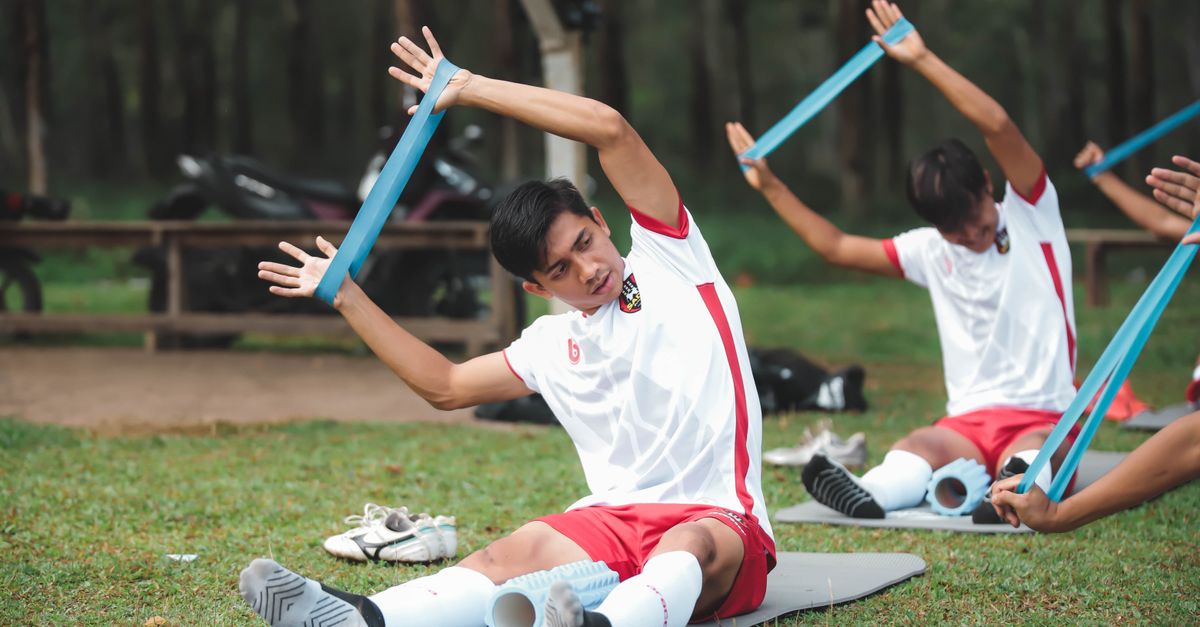
Finish each session with a fifteen-minute mobility cooldown. I guide the kids through dynamic stretches that transition smoothly from high intensity to low intensity, allowing heart rates to drop gradually. This controlled "decay" teaches them that recovery is as important as the drill itself.
Frequently Asked Questions
Q: How often should the five drills be practiced?
A: Aim for a short ten-minute session two to three times per week. Consistency builds neural pathways without overloading young muscles.
Q: Can I run these drills without any sports equipment?
A: Yes. A garden rope, a few plastic bottles, and a piece of chalk are enough to set up the entire circuit.
Q: What role should parents play during practice?
A: Parents can attend a brief weekly briefing, help supervise the circuit at home, and use simple checklists to reinforce proper technique.
Q: How do I know if my child is improving?
A: Track simple metrics like sprint time over 20 meters, vertical-jump height, or the number of stars earned on the habit tracker each week.
Q: What safety checks should I perform before each session?
A: Verify a clear zone free of obstacles, ensure the ground is even, and confirm that any foam or mats are in good condition.