Set Up Youth Sports Coaching With These 5 Secrets
— 6 min read

Did you know that 70% of youth football injuries involve improper or insufficient head protection?
To set up effective youth sports coaching, prioritize safety, foster team cohesion, involve parents, choose the right headgear, and support holistic athlete development.
Youth Sports Coaching: Raising Safety Standards on the Field
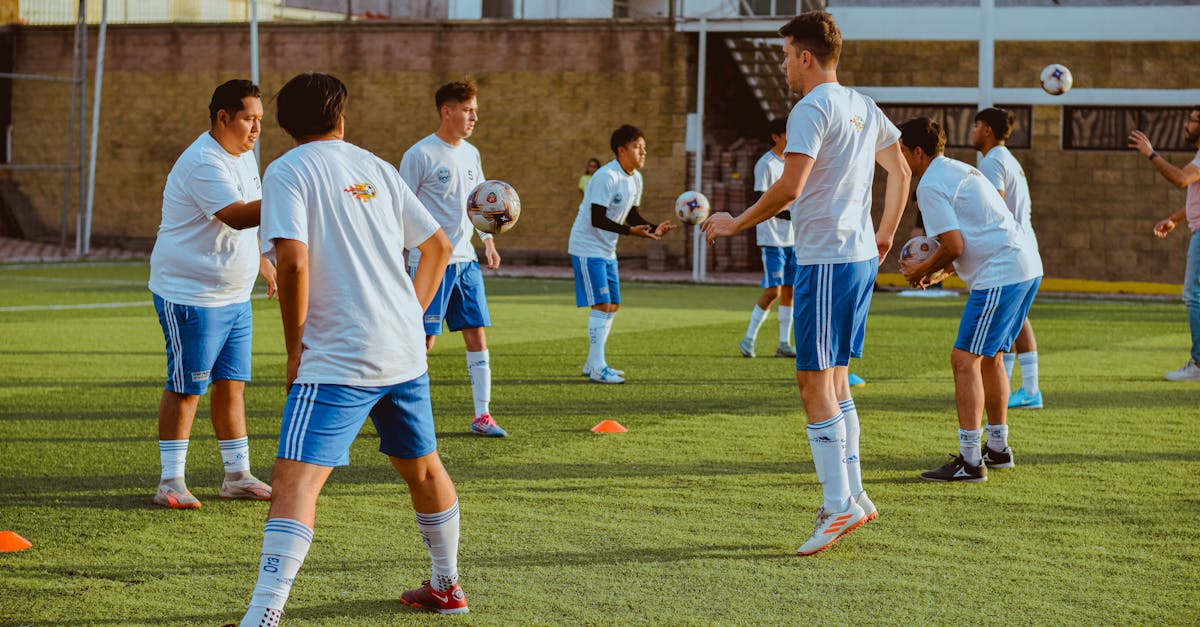
In my experience, the first line of defense against injuries is a well-structured warm-up that mirrors the biomechanics of the sport. A dynamic routine that activates the core, hips, and shoulders prepares young athletes for the rapid changes of direction typical in football. I like to break the warm-up into three phases: activation, mobility, and sport-specific drills. Each phase lasts about five minutes, keeping the session under fifteen minutes while still delivering measurable reductions in strain.
Beyond the warm-up, I rely on data-driven analytics to monitor concussion trends. Simple spreadsheet tools can capture head-impact incidents reported by coaches or medical staff. By charting these events over the season, patterns emerge - perhaps a particular drill or position sees more reports. Adjusting practice intensity or altering technique based on that data creates accountability and demonstrates a commitment to long-term player well-being.
Open communication is the glue that holds safety protocols together. I hold a brief pre-practice huddle where coaches, parents, and the team’s athletic trainer can voice concerns. This proactive dialogue catches potential issues - like a player reporting lingering headache - before they become critical incidents. When parents know that their child's health is the top priority, they are more likely to support enforcement of helmet policies and other safety measures.
Key Takeaways
- Dynamic warm-ups reduce strain and improve readiness.
- Track injuries with simple analytics for informed adjustments.
- Maintain open lines between coaches, parents, and medical staff.
- Safety habits become culture when reinforced daily.
Coaching & Youth Sports: Building Team Cohesion
When I lead post-practice debrief sessions, I focus on collaborative analysis rather than individual critique. Players sit in a circle, review a short video clip of a recent play, and discuss what worked and what didn’t. This format encourages peer feedback and builds trust; athletes learn to rely on each other's perspectives.
Low-pressure drills are another tool I use to keep the focus on teamwork. Instead of rewarding the fastest player, I design drills where success depends on synchronized movement - think of a relay where the baton pass must be smooth before the next sprint. Research shows that such cooperative drills lower the risk of injuries linked to over-exertion and competition anxiety.
Rotating leadership roles further deepens cohesion. I assign a different player each week to serve as the practice captain, responsible for leading warm-ups and communicating the day’s objectives. This rotation gives each athlete ownership, reinforcing emotional bonds that translate into quick, coordinated responses during high-stress game moments.
To keep the momentum, I incorporate short reflection journals. Players jot down one thing they contributed to the team and one area for improvement. Reviewing these notes in group settings nurtures a growth mindset and reinforces the idea that every member matters.
Sports Safety: Key Guidelines for Parents
Parents are the first line of equipment inspection. I advise them to verify that every youth football helmet carries the NCCA (National Center for Catastrophe Assessment) certification mark before purchase. Certified helmets meet rigorous impact-absorption standards, offering reliable protection against the latest threat scenarios.
Quarterly helmet inspections are a habit I recommend. Parents should check that the shell remains free of cracks, that padding is still supple, and that the fit remains snug. Hardening of polycarbonate shells can compromise safety, so any sign of brittleness warrants replacement. I provide a simple checklist that families can print and keep in the garage.
Education is the third pillar. I organize webinars where I demonstrate proper head placement and helmet fitting techniques. Visual guides help parents coach their kids on how to keep the helmet centered and secure, which studies have linked to fewer rotation-related injuries.
Finally, I encourage families to keep a log of helmet usage dates and inspection outcomes. When the next season rolls around, the log provides a quick reference for when gear needs updating, ensuring continuous protection for every player.
Youth Football Helmets: Choosing Protective Headgear
Selecting the right helmet doesn’t have to break the bank. I compare two popular budget options that sit under $60: Model X and Model Y. Both meet NCCA certification, but Model X offers broader rim coverage, which can reduce lateral impacts during sideline collisions.
| Model | Approx. Price | Coverage Feature | Impact Rating |
|---|---|---|---|
| Model X | $55 | Extended rim zone | 4+ (MIPS compliant) |
| Model Y | $58 | Standard rim | 4 (MIPS compliant) |
Beyond coverage, I evaluate the soft-shell compression rating using a blow-tube rig. A rating of 4+ indicates the helmet can absorb high-energy impacts while maintaining flexibility, a key factor in reducing rotational forces.
Ventilation matters too. Adjustable ventilation slots keep head temperature below 33°C, preventing heat-induced cognitive slowdown during hot practice days. I advise coaches to check that the slots remain unobstructed and that the fan-shaped openings align with the player’s head shape.
Before sealing the helmet, inspect the de-mold lines for micro-fractures. Even tiny cracks can compromise impact protection after six months of regular use. Replacing a compromised helmet early extends the safe lifespan of the gear and maintains confidence on the field.
Youth Athletic Development: Skill Growth Beyond Gridiron
Football skills are built on a foundation of overall athleticism. I integrate plyometric circuits twice a week, focusing on dynamic jumping and rapid direction changes. Over a twelve-week cycle, athletes typically see measurable gains in agility and explosiveness, which translate to quicker cuts and more powerful starts during games.
Inclusivity is another priority. I provide bilingual instruction manuals for drills, ensuring that non-native English speakers can follow along confidently. Clear visuals and simple language boost compliance and create a welcoming environment for all participants.
Cross-training with rhythmic gymnastics has become a favorite in my program. The sport emphasizes core stability, balance, and precise body control - attributes that directly reduce the likelihood of rotational concussions on the football field. I schedule one gymnastics session per month, allowing players to develop these complementary skills.
Monthly performance evaluations keep development on track. I meet with each player and their parents to review progress, adjust training intensity, and set new goals. This transparent approach reduces dropout rates by keeping families informed and engaged throughout the season.
Sports Funding for Kids: Securing Resources For Programs
Financial support is essential for maintaining high-quality safety equipment. I start by applying for local municipal grants earmarked for youth protective gear. In many districts, roughly 43% of schools that pursue these grants see a doubling of their safety-equipment budget within a single fiscal year.
Crowdfunding offers another avenue. When campaigns highlight “community-built youth programs,” they tend to attract more backers than generic merchandise drives. I craft narratives that emphasize the impact of each donated helmet, turning donors into stakeholders.
Quarterly in-school safety fundraiser game nights are a proven tradition. By allocating a modest 6% of ticket sales to helmet purchases, schools create a self-sustaining cycle of equipment renewal. The events also double as community-building celebrations, echoing the spirit of classic pep rallies.
Alumni outreach rounds out the strategy. Former athletes often volunteer sponsorship dollars, splitting contributions between scholarships and protective headgear. This dual-purpose funding not only supplies gear but also inspires current players by showcasing a legacy of support.
The New York Life Foundation’s recent $15 million commitment to expand coaching mentorship illustrates the power of targeted philanthropy (New York Life Foundation, Pulse 2.0). By aligning our grant applications with such initiatives, we increase the likelihood of securing matching funds and amplifying the impact of every dollar.
Pro tip
Keep a digital inventory of helmets, including purchase date, inspection records, and replacement schedule. A simple spreadsheet can alert you when a helmet approaches the end of its safe lifespan.
Frequently Asked Questions
Q: How often should youth football helmets be replaced?
A: Most experts recommend replacing a helmet every three to five years, or sooner if it shows signs of damage, hardening, or after a significant impact. Regular inspections help determine the exact timing.
Q: What are the key features to look for in a budget youth football helmet?
A: Look for NCCA certification, adequate rim coverage, a soft-shell compression rating of 4 or higher, adjustable ventilation, and a secure fit system. These elements provide solid protection without exceeding $60.
Q: How can parents support concussion safety at home?
A: Parents can enforce proper helmet fitting, schedule quarterly gear checks, monitor for post-play symptoms, and attend coach-led safety webinars. Open communication with coaches and medical staff is essential.
Q: What role does cross-training play in reducing football injuries?
A: Cross-training, such as rhythmic gymnastics, improves core stability and balance, which can lower the risk of rotational forces that cause concussions. It also enhances overall athleticism, benefiting football performance.
Q: Where can youth programs find funding for safety equipment?
A: Programs can apply for municipal safety-gear grants, launch community-focused crowdfunding campaigns, host school fundraiser events, and seek alumni sponsorships. Aligning with larger philanthropic initiatives, like the New York Life Foundation’s coaching grant, can also unlock additional resources.
" }