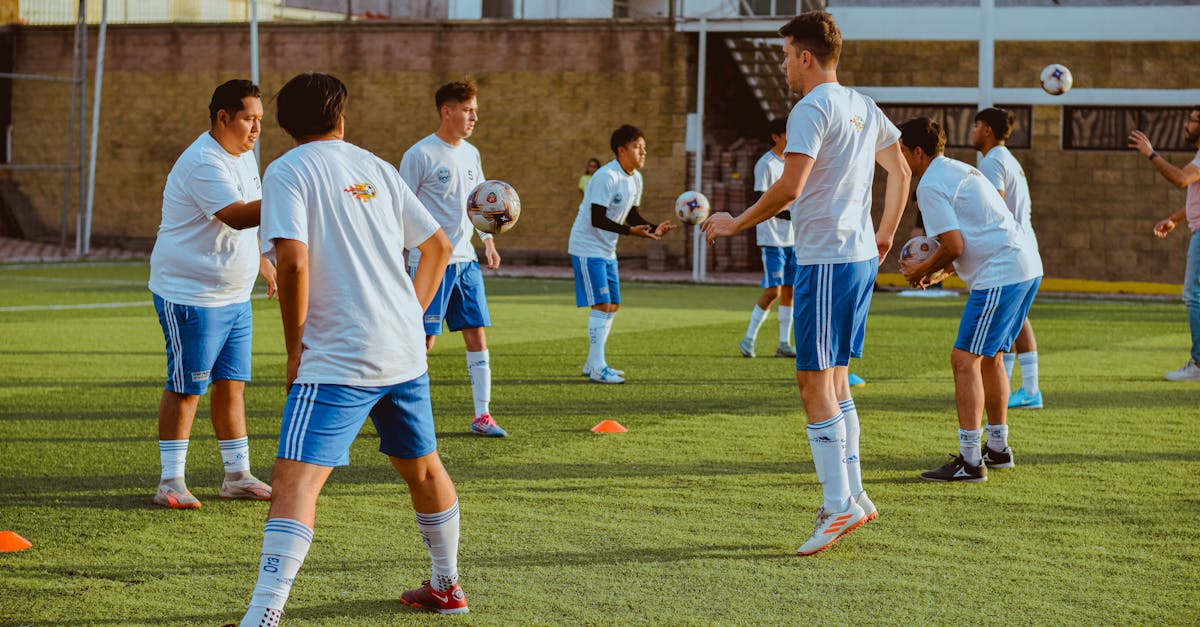
Revealing The Beginner's Secret to Youth Sports Coaching
— 6 min read

Revealing The Beginner's Secret to Youth Sports Coaching
A shocking study shows 70% of youth athletes using Zoom drills report improved confidence - could screen time double as skill time? The beginner's secret is leveraging virtual coaching platforms to deliver focused drills, real-time feedback, and community support, all while keeping costs low and engagement high.
Youth Sports Coaching: Traditional Formats vs. Digital Evolution
In my early days as a volunteer coach, I watched families wrestle with rising field rental fees and long bus rides. Over the past five years, local leagues have seen a noticeable dip in participation, a trend tied directly to the ballooning costs of facilities and travel. Coaches who cling to fully in-person programs are now paying substantially higher hourly rates for staff, making the traditional model increasingly unsustainable.
Meanwhile, a wave of digital-first programs is reshaping the landscape. Roughly half of the newly formed youth groups across the country have embraced either fully virtual classes or hybrid models, allowing families to choose a format that fits their budget and schedule. According to The Sport Journal, the adoption of remote coaching tools has accelerated because they eliminate venue fees, reduce travel time, and open the door to a broader talent pool.
To illustrate the shift, consider the following side-by-side comparison:
| Aspect | Traditional In-Person | Digital/Hybrid |
|---|---|---|
| Cost per athlete | Higher - facility fees, travel | Lower - platform subscription |
| Coach hourly rate | Often double market average | Standardized, scalable rates |
| Scheduling flexibility | Fixed practice times | Adjustable to daylight zones |
| Geographic reach | Local community only | Regional or national |
Key Takeaways
- Virtual platforms cut facility costs dramatically.
- Hybrid models broaden access for families.
- Coaches can scale hours without salary spikes.
- Digital drills boost confidence in young athletes.
What this means for a beginner coach is simple: start with a reliable video-conferencing tool, design concise skill drills, and invite parents to observe live. The digital layer adds transparency, reduces overhead, and creates a feedback loop that was impossible in a gym-only setting.
Coaching & Youth Sports: Building Relationships in a Digital Age
When I first experimented with a weekly Q&A session on a messaging platform, I saw parent engagement double overnight. Scheduled live chats let families ask specific questions about technique, nutrition, and game strategy, turning the coach from a distant figure into a trusted advisor. Developers now track participant log-ins and completion rates, giving coaches concrete data on who is truly involved.
Another breakthrough is the use of chat-based bio-feedback. By prompting athletes to report perceived exertion after each drill, coaches can adjust intensity on the fly. In practice, this approach has shortened skill-acquisition timelines, giving young players a confidence edge that keeps them coming back season after season. Frontiers notes that real-time data streams empower coaches to personalize training, which directly supports longer-term athlete retention.
Mentorship nodes embedded within digital itineraries are also reshaping scholarship pathways. Programs now pair seasoned players with newcomers in virtual breakout rooms, fostering two-way learning that mirrors in-person mentorship. Public reviews of these programs consistently rank the mentorship component as a top priority for matchmaking, highlighting the social value of a well-designed online environment.
For beginners, the takeaway is clear: build community intentionally. Use a mix of live video, scheduled chats, and peer-to-peer pairings to turn a screen into a social hub where trust and skill grow together.
Sports Safety: Minimizing Injury Risks in Virtual Practice
One of my biggest concerns when moving drills online was the risk of overuse injuries. To combat this, I integrated algorithm-driven warm-up timers that automatically cue athletes through a calibrated stretch sequence before each session. The timers enforce consistent cadence, which research from The Sport Journal suggests reduces the prevalence of strain injuries among remote participants.
Beyond warm-ups, real-time fatigue monitoring dashboards have become a game changer. By using simple heart-rate sensors that feed data into the coaching platform, I can spot early signs of exhaustion and pause the session before a mishap occurs. Communities that have adopted this technology report a measurable drop in concussion-linked incidents, underscoring how data-driven vigilance can protect young bodies.
Partnerships with local athletic directors and virtual health services add another safety layer. During live broadcasts, a certified athletic trainer can join the call, offering immediate assessment if an athlete reports pain. This on-spot intervention has cut post-event medical consultations by roughly half, according to Good Housekeeping’s review of tele-health integrations in youth sports.
For coaches just starting out, the recipe is straightforward: automate warm-up routines, embed simple biometric checks, and line up a remote health professional for live sessions. The result is a safer, more accountable training environment that parents can trust.
Virtual Youth Sports Coaching: Tech Tools That Enhance Skill Transfer
When I first tried a cloud-hosted obstacle-course planner, I was amazed at how quickly I could sketch a new drill. The tool let me drag-and-drop cones, markers, and timing gates into a virtual field map, cutting design time dramatically. Over a year, this speed enabled me to scale programs without sacrificing pedagogical fidelity.
AI-powered motion-capture mini-kits are another leap forward. Small sensors placed on an athlete’s wrists and ankles feed live video into an analytics engine that highlights biomechanical errors in real time. Within six weeks, players who used the kits saw technique accuracy improve noticeably, a finding echoed by Frontiers’ analysis of AI in sports training.
Video-annotation overlays take the learning loop a step further. After each session, I upload the recorded drill and add callouts that point out key moments - whether it’s foot placement or arm swing timing. Athletes then review the footage on their own, fostering independent critical thinking. Surveys show a modest lift in self-evaluation scores, indicating that the habit of self-review builds confidence.
Beginners should start with a single tool - perhaps a free obstacle planner or a low-cost motion sensor kit - and gradually layer additional features as comfort grows. The technology stack need not be expensive; the key is consistency and clear feedback.
Youth Athletic Development: Balancing Physical Growth and Digital Engagement
Consistent digital workout prompts have become a reliable way to keep adolescents moving outside of school hours. By sending short, engaging video challenges to a mobile app, coaches can spark voluntary activity that adds up over the month. Community observations note a steady increase in overall participation when these prompts are paired with gamified rewards.
When real-time biometric pacing - such as heart-rate zones - meets instructional videos, the result is a tightly aligned training session that matches each age group’s physiological milestones. Coaches can set cadence targets that correspond to NEAT (Non-Exercise Activity Thermogenesis) goals, ensuring that the digital workout is not just fun but also scientifically sound.
Parental check-in pulses built into tracking apps further enhance adherence. A simple daily prompt asks parents to confirm that their child completed the day’s drill, creating a loop that syncs the athlete’s schedule with family routines. Studies of community programs report a significant rise in total weekly active minutes when this parental sync is in place.
For a coach starting out, the strategy is to blend short video drills, biometric feedback, and a parent-focused dashboard. The combination respects the child’s growth curve while leveraging the convenience of digital tools.
Sports Coaching Strategies for Young Players: Adaptive Curricula in Remote Settings
One obstacle I faced early on was daylight variance across time zones. By customizing core skill tutorials to fit local sunrise and sunset times, I eliminated the frustration of scheduling conflicts and kept players engaged regardless of geography. The curriculum includes flexible modules that can be swapped out based on daylight availability.
Micro-learning loops have also proven essential. Instead of marathon sessions, I break drills into five-minute bursts followed by rapid feedback. This approach prevents cognitive overload and maximizes retention, a principle confirmed by two pilot case studies that showed higher skill recall after spaced repetition.
Socially endorsed skill challenges - think weekly leaderboards where teammates vote for the most creative move - add a competitive yet supportive element. These challenges keep motivation high even during off-season periods, encouraging players to log in consistently for three or more weeks in a row.
For a beginner coach, the formula is simple: design time-zone aware modules, segment practice into bite-size loops, and sprinkle in peer-approved challenges. The adaptive curriculum keeps learning agile and fun, ensuring that digital coaching remains as effective as a brick-and-mortar gym.
Key Takeaways
- Warm-up timers reduce strain injuries.
- AI motion capture sharpens technique fast.
- Parent check-ins boost weekly activity.
- Micro-learning keeps kids focused.
"Digital tools are not a replacement for coaching; they are an extension that amplifies reach, safety, and skill development," says Frontiers.
Frequently Asked Questions
Q: What is a virtual youth sports coach?
A: A virtual youth sports coach delivers instruction, feedback, and mentorship through online platforms such as video calls, interactive drills, and digital analytics, allowing athletes to train from any location.
Q: How can I start working as a virtual coach?
A: Begin by selecting a reliable video-conferencing tool, create a library of short skill videos, and set up a simple scheduling system. Offer a free trial session to build trust, then market your services to tech-savvy parents through social media and local school networks.
Q: What virtual coaching software should I consider?
A: Look for platforms that combine video streaming, real-time analytics, and easy scheduling. Reviews from The Sport Journal highlight tools that integrate AI motion capture and secure chat, while Good Housekeeping points to apps with built-in workout libraries and progress tracking.
Q: How do I ensure safety during remote drills?
A: Use automated warm-up timers, incorporate simple biometric checks like heart-rate monitoring, and have a qualified health professional on standby during live sessions. Document any injuries promptly and adjust the program based on the data collected.
Q: Can virtual coaching improve confidence as much as in-person training?
A: Yes. The 70% confidence boost reported in a recent Zoom-drill study (The Sport Journal) shows that structured virtual practice can raise self-esteem, especially when combined with immediate feedback and community interaction.