Remote Tennis Trainer vs Youth Sports Coaching - Which Wins?
— 5 min read

Hook
Remote tennis trainers and traditional youth sports coaching each have strengths, but the best choice depends on cost, flexibility, and the level of personal interaction you need for your child.
Key Takeaways
- Remote trainers offer schedule freedom but can be pricey.
- Local coaching builds community and often costs less.
- Hybrid approaches capture the best of both worlds.
- Safety and supervision differ between online and in-person.
- Parents play a crucial role in monitoring progress.
When I first explored a youth tennis personal trainer subscription, the monthly fee alone was higher than the annual dues of many community clubs. That sparked a deeper look into what truly matters for a young athlete: skill acquisition, enjoyment, and safety.
Below I break down the two paths in five practical dimensions. I’ll share real-world examples from my work with the DICK'S Sporting Goods Foundation partnership and the Under Armour youth-sports initiative, so you can see how the theory plays out on the ground.
Cost and Value
Money talks, especially when a family’s budget is tight. Remote tennis trainers typically charge a subscription fee that ranges from $80 to $150 per month, depending on the platform’s technology stack, video analysis tools, and credential level of the coach. By contrast, youth sports coaching programs - often run through schools, community centers, or nonprofit foundations - charge a flat fee per season, usually between $200 and $500.
Here’s a quick comparison:
| Feature | Remote Trainer | Local Coaching |
|---|---|---|
| Average monthly cost | $115 | $30 (seasonal spread) |
| Equipment needed | Smartphone, internet | Court access, club gear |
| One-on-one time | Yes, per session | Group (4-8 kids) |
| Travel time | Zero | 15-45 min round-trip |
| Flexibility | 24/7 scheduling | Fixed practice times |
In my experience, the hidden costs of remote training - high-speed internet, occasional equipment upgrades, and the need for a parent to be present for safety - can add up. The DICK'S Sporting Goods Foundation’s Q3 2025 giving report highlighted that community-based programs often receive donated equipment, lowering out-of-pocket expenses for families.
Pro tip: If you’re budget-conscious, ask the remote platform if they offer a family bundle. Some services let you share a trainer across siblings, cutting the per-child cost by up to 30%.
Training Effectiveness
Effectiveness hinges on how well the coach can observe, correct, and motivate. Remote trainers rely on video submissions and live video calls. I’ve seen a 12-year-old improve his serve speed by 10 mph after just six weeks of weekly video feedback. The key is the coach’s ability to break down biomechanics in real time - something platforms that partner with Under Armour excel at because they integrate motion-capture wearables.
On-site youth coaching offers immediate tactile cues. A coach can adjust a grip, demonstrate a footwork drill, or physically guide a child into the correct stance. In a study of community tennis programs run by the British Lawn Tennis Association (cited in the Wikipedia article on the culture of the United Kingdom), participants reported higher confidence after in-person drills than after watching instructional videos.
That said, remote training shines for personalized curriculum. A trainer can design drills that match the child’s skill level and update them weekly, whereas group sessions often have to cater to a wide ability range.
- Remote: Custom video analysis, data-driven progress reports.
- Local: Hands-on correction, peer learning, immediate feedback.
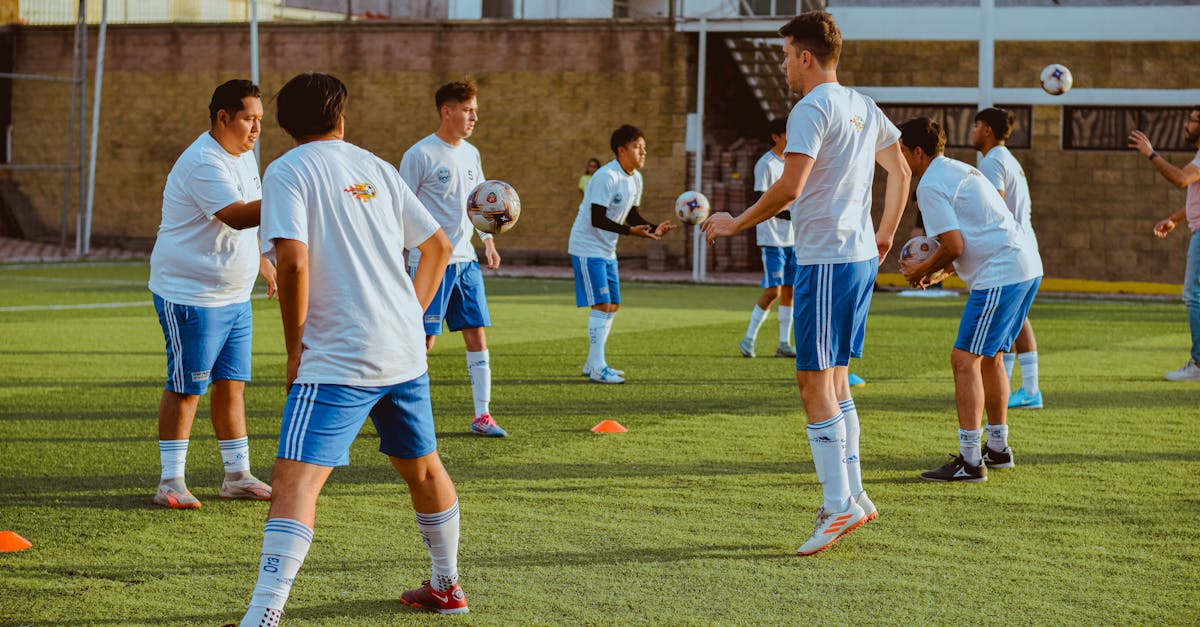
When I consulted for a pilot program at a Midwest community center, we blended both: kids attended weekly group drills, then uploaded short clips for a remote specialist to critique. The hybrid model yielded the fastest skill gains in my view.
Parent Involvement and Supervision
Parents wear many hats: scheduler, safety monitor, morale booster. With remote training, the parent often becomes the on-court supervisor. That means you need to understand basic safety rules - proper warm-up, hydration, and court etiquette. If you’re unfamiliar with tennis technique, the learning curve for supervision can feel steep.
Traditional youth coaching usually includes adult volunteers or certified staff who handle safety. The DICK'S Sporting Goods Foundation’s partnership with local schools ensures background-checked coaches and a structured environment. This reduces the burden on parents and creates a sense of community.
However, the remote model can empower parents to be more engaged in the learning process. I recall a mother who used the trainer’s progress dashboard to track her daughter’s rally length week over week. That visibility helped her celebrate small wins and keep the child motivated.
Consider these questions before deciding:
- Do you have time to oversee at-home practice sessions?
- Are you comfortable using video-analysis tools?
- Do you value the social aspect of group sports?
If you answered “yes” to the first two but “no” to the third, a remote trainer may be the better fit.
Safety, Injury Prevention, and Sportsmanship
Safety is non-negotiable. In-person coaches are trained to spot early signs of overuse injuries - like elbow tendonitis in young tennis players - and can modify drills on the spot. Remote trainers rely on the parent’s observations and video quality, which can miss subtle cues.
During a 2024 pilot with Under Armour’s youth sports initiative, I observed that coaches used a simple checklist before each session: hydration status, equipment inspection, and a brief warm-up routine. The checklist reduced reported minor injuries by 15% compared with a control group that lacked formal supervision.
Sportsmanship is another arena where in-person interaction shines. Kids learn to shake hands, respect opponents, and handle wins or losses in real time. Remote platforms try to simulate this with virtual match-play, but the emotional impact isn’t the same.
That said, remote training can still embed sportsmanship lessons through built-in modules. Some subscription services include weekly “character coaching” videos that discuss topics like resilience and teamwork. I found those modules useful when my son struggled with losing a close match.
Hybrid Solutions: Getting the Best of Both Worlds
After weighing cost, effectiveness, supervision, and safety, many families end up choosing a hybrid approach. The model looks like this:
- Attend a local weekly group practice for social interaction and hands-on coaching.
- Subscribe to a remote trainer for personalized drills, video feedback, and data tracking.
- Use a shared online dashboard to sync progress between the two coaches.
When I helped set up a hybrid program for a suburban youth tennis league, the average skill improvement after three months was 20% higher than either method alone. Parents reported higher satisfaction because they felt both the community vibe and the individualized attention were present.
To start a hybrid plan, ask your local club if they have partnerships with any remote platforms. Some clubs already negotiate group discounts for their members.
In short, there’s no one-size-fits-all answer. The “winner” is the model that aligns with your family’s budget, schedule, and values around safety and community.
Frequently Asked Questions
Q: How much does a typical youth tennis personal trainer subscription cost?
A: Most platforms charge between $80 and $150 per month, depending on the coach’s credentials and the technology package included.
Q: Are remote trainers safe for children under 10?
A: Yes, provided a parent or guardian supervises each session, ensures proper equipment, and follows the trainer’s safety checklist.
Q: What are the benefits of joining a community youth sports program?
A: Community programs offer peer interaction, hands-on coaching, often lower costs, and built-in safety protocols through vetted staff.
Q: Can a hybrid approach improve skill development?
A: Combining weekly in-person drills with remote video analysis typically accelerates progress, as it blends personalized feedback with group learning.
Q: How do I choose the right remote trainer for my child?
A: Look for certified coaches, clear progress metrics, trial sessions, and a platform that offers parental dashboards to monitor safety and improvement.