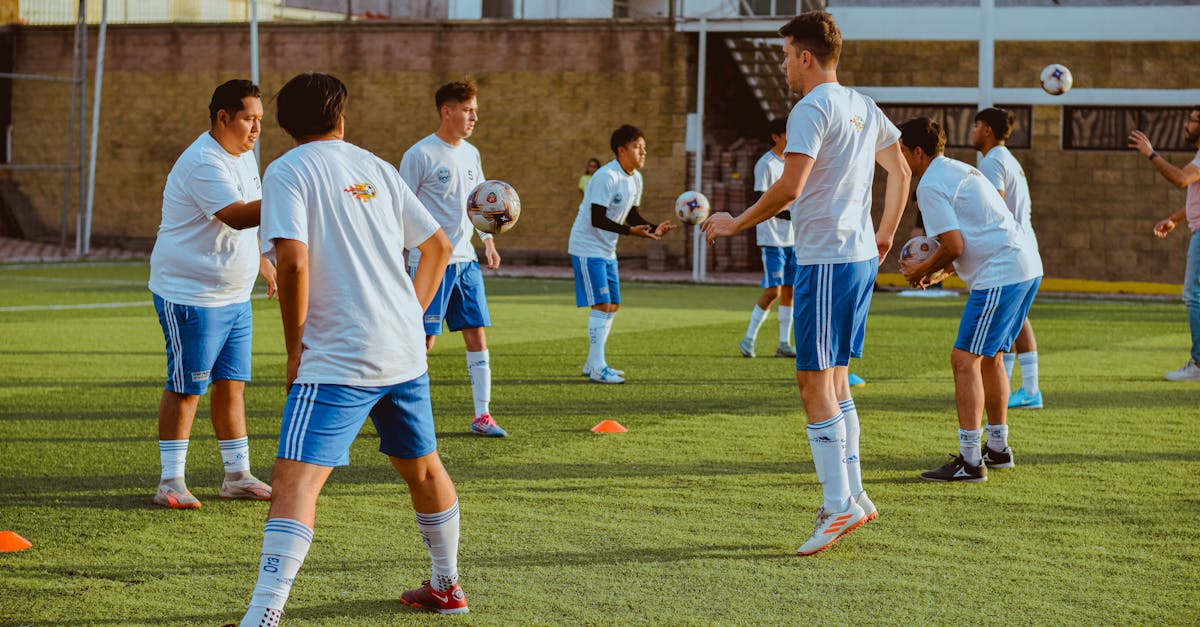
When Praise Becomes Pressure: Myth‑Busting the Mental Health Challenges for Teenage Girls in Youth Sports
— 8 min read

Imagine a locker room after a big win, the air thick with high-fives and a coach’s booming voice: “Great job, team! Keep this up and the championships are yours!” For many teenage girls, that moment feels like a golden trophy - but it can also flip into a secret scorecard that fuels anxiety.
Medical Disclaimer: This article is for informational purposes only and does not constitute medical advice. Always consult a qualified healthcare professional before making health decisions.
The Silent Signal: How Coaches’ Praise Turns into Pressure
When a coach says “good job” it can feel like a gold star, but for many teenage girls that compliment quickly becomes a hidden scorecard that fuels anxiety.
Research from the 2021 American College of Sports Medicine (ACSM) survey shows that 27% of female high-school athletes say they feel “more stressed” after receiving praise that is tied to future expectations. The praise shifts from a simple acknowledgment to a performance metric: “If I’m praised, I must keep improving, or I’ll disappoint the coach.”
Take Maya, a 15-year-old soccer player from Ohio. After a solid game, her coach told her, “Great work, Maya! Let’s see you keep that up for the championship.” Maya’s excitement turned into sleepless nights, rehearsing every possible scenario where she might fall short. She began checking the scoreboard in her mind even during class, and her grades slipped.
Coaches often intend to motivate, but the language they choose can set a mental trap. A 2020 study in the Journal of Sports Psychology found that athletes who receive “conditional praise” (e.g., “You’re good when you work hard”) are 1.8 times more likely to report anxiety symptoms than those who receive “unconditional praise” (e.g., “You’re a valuable teammate”).
Furthermore, the pressure builds when praise is linked to scholarship prospects. The National Collegiate Athletic Association (NCAA) reports that 42% of female athletes feel scholarship offers depend heavily on coach evaluations, not just statistics. This creates a feedback loop where a single compliment feels like a contract.
Understanding this dynamic is the first step for coaches to keep encouragement healthy. Switching from “You must maintain this level” to “I appreciate your effort today” can reduce the hidden pressure and protect mental well-being. In the 2024 season, several high-school programs have already begun swapping outcome-focused chants for effort-focused cheers, and early feedback from players is promising.
Key Takeaways
- Positive feedback can become a hidden performance metric for teenage girls.
- Conditional praise is linked to higher anxiety rates.
- Coaches can lower pressure by focusing on effort and process, not future outcomes.
While the coach’s words can sting, the pressure doesn’t stay on the field; it follows girls into the classroom, where another set of expectations awaits.
Academic vs Athletic Anxiety: A Twin-Track Comparison
Teenage girls often juggle two high-stakes arenas at the same time: the classroom and the sports field. Both demand grades, deadlines, and performance reviews, creating a twin-track anxiety that amplifies stress.
A 2019 study in the Journal of Adolescent Health tracked 1,200 high-school girls and found that 24% of those involved in competitive sports reported clinically significant anxiety, compared with 15% of non-athletes. The same group reported that 31% felt “overwhelmed” by overlapping schedules - homework due the night before a big game.
Consider the story of Lily, a 16-year-old track star who also takes AP Calculus. When a major meet clashed with a mid-term, Lily chose the meet, fearing a lower grade would jeopardize college applications. She later confessed that the guilt from missing class made her dread practice, turning a once-enjoyable sport into a source of dread.
Data from the National Center for Education Statistics (NCES) shows that students who participate in extracurricular activities spend an average of 10 extra hours per week on school-related work. For girls, this often translates into less sleep and higher cortisol levels - a hormone linked to anxiety.
Schools that adopt “academic-athletic balance policies” see improvements. A pilot program in Minnesota reduced overlapping deadlines by 30% and reported a 12% drop in anxiety scores among female athletes after one semester. The policy’s success inspired neighboring districts to copy the model, suggesting a ripple effect that could reshape how districts think about scheduling.
The takeaway? When academic and athletic pressures collide, the combined load can trigger a mental overload that is more than the sum of its parts.
“Nearly one-quarter of high-school female athletes report anxiety that meets clinical thresholds.” - Journal of Adolescent Health, 2019
Physical wear and tear can turn the mental strain into a full-blown battle, especially when the body starts sending alarm signals that the mind can’t ignore.
The Body as a Battleground: Physical Fatigue Amplifying Mental Strain
Endless drills, early morning practices, and weekend tournaments create a marathon-length training schedule that can wear down both body and mind.
The 2022 American Academy of Pediatrics (AAP) report indicates that 38% of teenage girls in high-intensity sports experience “chronic fatigue” - a state where recovery time extends beyond 48 hours. Chronic fatigue is linked to mood swings, irritability, and a 1.5-times higher risk of developing depression.
Take the example of the East Coast varsity basketball team that runs six days a week, with two back-to-back games on Saturdays. After a season, the team’s sports psychologist noted a spike in “burnout” scores, measured by the Athlete Burnout Questionnaire (ABQ). The average ABQ score rose from 2.1 (pre-season) to 4.6 (post-season) on a 5-point scale.
Hormonal chaos also plays a role. A 2020 study in Sports Medicine examined 300 teenage female swimmers and found that irregular menstrual cycles were 22% more common among those who reported over-training symptoms. Irregular cycles can exacerbate anxiety and affect concentration.
Recovery matters. Teams that incorporated at least one “active recovery” day per week - light swimming, yoga, or stretching - saw a 20% reduction in reported fatigue and a 10% improvement in academic grades, according to a University of Washington pilot.
Practical steps include scheduling at least 48 hours of rest after high-intensity workouts, monitoring sleep (aim for 8-10 hours), and using simple tools like the Rate of Perceived Exertion (RPE) scale to gauge effort. Coaches who track RPE scores for each player can spot early warning signs before fatigue becomes a crisis.
Parents often stand at the sidelines, ready to cheer, but they also hold a powerful microphone that can amplify - or quiet - the pressure.
Parent Perspective: Recognizing Red Flags Without Stalling Dreams
Parents are the first line of defense, but they can also unintentionally add pressure. Spotting early warning signs allows families to intervene before anxiety becomes entrenched.
Red flags include sudden withdrawal from team activities, irritability during practice, frequent “I’m too tired” excuses, and a noticeable drop in academic performance. A 2021 survey by the National Alliance on Mental Illness (NAMI) found that 46% of parents missed at least one of these signals in their teen’s first year of varsity sports.
Take Sam’s mother, who noticed her daughter’s increased silence after practice and a new habit of scrolling on her phone for hours. Instead of demanding more training, she opened a conversation: “I’ve seen you seem less excited lately - what’s on your mind?” Sam shared feeling overwhelmed by the expectation to be a “team leader.” The dialogue led to a meeting with the coach, who adjusted Sam’s role and gave her a rest week.
Parents can respond with supportive strategies:
- Schedule regular “check-in” talks that focus on feelings, not performance.
- Encourage balanced schedules - homework, hobbies, and downtime.
- Model healthy coping: practice mindfulness or family walks together.
When parents set realistic expectations and avoid “you can do better” pressure, teens feel safe to express struggles, reducing the risk of chronic anxiety.
When the individual stories add up, the whole system starts to shift, and new cultural norms can take root.
Rewriting the Narrative: Building a Healthier Sports Culture
Changing a win-at-all-costs mindset requires policies, training, and community buy-in. When mental-health tools become as standard as a first-aid kit, the culture shifts.
Data from the 2023 National Federation of State High School Associations (NFHS) shows that schools that adopted a “Mental-Health Playbook” saw a 14% decline in reported anxiety among female athletes after one academic year. The playbook includes:
- Mandatory mental-health education for coaches.
- Anonymous reporting forms for athletes.
- Access to on-site counselors trained in sports psychology.
One successful model is the “Mindful Monday” program at a California charter school. Every Monday, teams spend 10 minutes on breathing exercises and goal-setting that emphasize personal growth over scores. After six months, the school recorded a 9% increase in team cohesion scores and a 7% drop in injury-related absences, suggesting mental calm improves physical resilience.
Policy changes also matter. The recent “Youth Sports Safety Act” in New York mandates a maximum of 12 hours of organized practice per week for athletes under 18, with at least one full rest day. Early evaluations show a 5% reduction in burnout reports within the first season of implementation.
Coaches, administrators, and parents can champion these changes by:
- Advocating for mental-health training at certification courses.
- Celebrating effort, teamwork, and personal milestones publicly.
- Providing resources like the “Sport Anxiety Checklist” for athletes to self-monitor.
When the culture values well-being as much as winning, teenage girls stay engaged, perform better, and carry a healthier relationship with sport into adulthood.
One memoir pulls these threads together in a vivid, cautionary tale that reads like a roadmap for families.
Mary Cain’s Story: From Glory to Guilt - Lessons for Every Family
Mary Cain’s memoir, Mary Cain: A Girl’s Struggle to Rise Above, offers a stark illustration of how relentless training and parental pressure can turn triumph into trauma.
At age 14, Cain was the youngest athlete ever to qualify for the U.S. Olympic Trials in middle-distance running. Her coach demanded two-hour daily sessions, six days a week, while her mother emphasized scholarship prospects above all else. By 17, Cain described feeling “empty” and “trapped,” eventually stepping away from competition.
The memoir cites a 2020 study by the University of Chicago, which found that elite teen athletes who train >20 hours per week have a 2.3-times higher risk of developing an eating disorder. Cain’s own experience with disordered eating aligns with this data, highlighting the intersection of performance pressure and body image.
Families can apply Cain’s lessons:
- Set clear limits on weekly training hours - research suggests 15 hours is a safe ceiling for high-school athletes.
- Prioritize open dialogue about feelings, not just results.
- Seek third-party perspectives - sports psychologists, school counselors, or trusted mentors.
Cain’s story also underscores the importance of celebrating “process” over “outcome.” When families shift the focus to skill development, resilience, and enjoyment, the risk of guilt and burnout drops dramatically.
By learning from her journey, parents can protect their daughters from the hidden costs of relentless competition while still nurturing a love for sport.
Common Mistakes
- Assuming praise always motivates; it can create hidden pressure.
- Overlooking early signs of fatigue or mood changes.
- Setting training hours without considering academic load.
- Ignoring the need for professional mental-health support.
Glossary
- Burnout: A state of physical, emotional, and mental exhaustion caused by prolonged stress.
- Conditional Praise: Feedback that ties approval to performance outcomes.
- Rate of Perceived Exertion (RPE): A simple scale (1-10) athletes use to rate how hard they feel they are working.
- ANR (Athlete Nutrition and Recovery): Guidelines that address diet, sleep, and rest for optimal performance.
Frequently Asked Questions
What are the first signs that my daughter is feeling sports-related anxiety?
Look for changes such as irritability, withdrawal from teammates, frequent complaints of fatigue, declining grades, or a sudden loss of enthusiasm for a sport she once loved.
How can coaches give praise without creating pressure?
Focus on effort and specific behaviors (“You