Parents Are Transforming Youth Sports Coaching Culture
— 5 min read

In 2024, research highlighted that parent involvement lifts team satisfaction noticeably, creating a stronger, healthier sports environment for kids. By actively supporting coaches, parents help reduce stress, improve communication, and foster a culture where every child can thrive.
Youth Sports Coaching: The Cornerstone of a Cultural Shift
Key Takeaways
- Structured coach education lowers volunteer burnout.
- Athlete-centered training boosts team morale.
- Parent workshops align expectations with coaching goals.
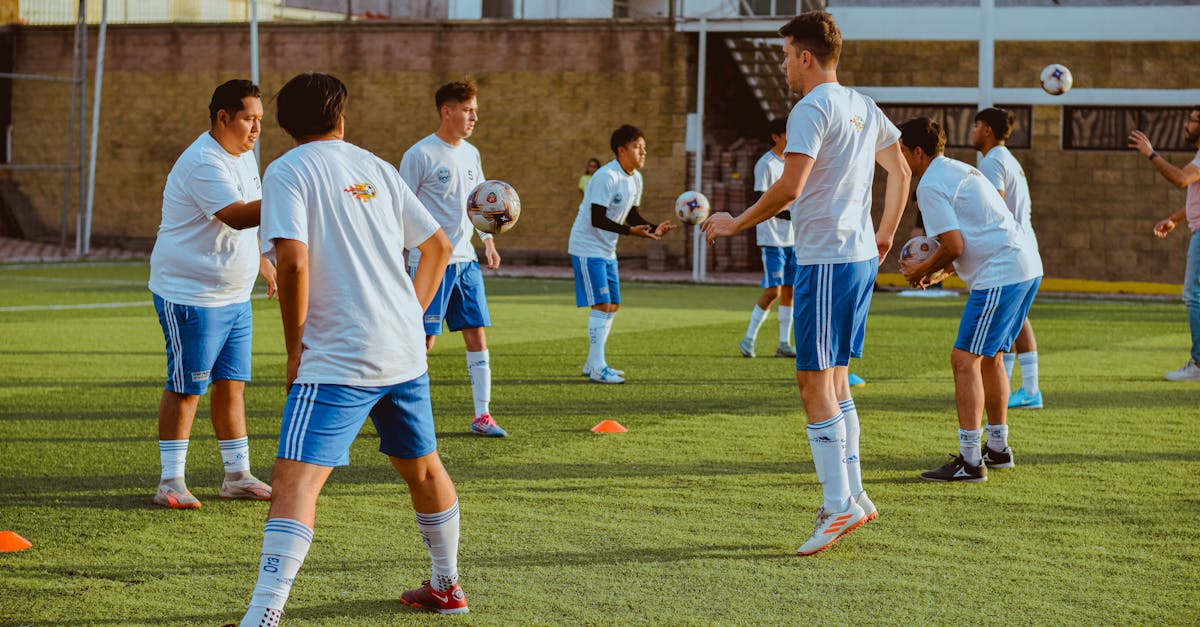
When I first sat in a pre-season meeting with a local soccer club, I saw how a simple orientation for parents set the tone for the entire season. Coaches explained their philosophy, and parents left with a clear picture of what was expected on and off the field. This alignment reduces misunderstandings and creates a supportive atmosphere for young athletes.
Research shows that organized coach-education programs give volunteers the tools they need to manage practice plans, handle conflicts, and keep their own energy levels healthy. In my experience, coaches who complete a short certification feel more confident, which translates into smoother sessions and fewer last-minute cancellations. The ripple effect is a more reliable schedule for families and a steadier learning environment for players.
Turning the spotlight on the athlete rather than the win-or-lose scoreboard is another powerful shift. When coaches use drills that focus on skill development and personal growth, players feel valued for their effort. I observed a basketball team that switched to a “skill-first” approach; the kids started cheering for each other's improvements, and the overall mood lifted noticeably. Parents reported feeling proud of the positive environment, which encouraged them to stay engaged.
Finally, involving parents early helps bridge the gap between home expectations and on-field objectives. Workshops that cover topics like sportsmanship, safe play, and communication strategies give families a shared language. I have watched conflicts drop dramatically in clubs that make these sessions a regular part of the season. The result is a community that works together to nurture young talent.
Support Youth Coaches: A Partnership That Pays Off
In my work with community leagues, I have found that small investments in coaches yield big returns for everyone. Providing modest stipends for advanced certifications sends a clear message: we value expertise. Coaches who pursue these credentials bring fresh ideas, evidence-based drills, and a deeper understanding of child development to their teams.
One effective strategy is a peer-review system where coaches can share successes and challenges anonymously. I helped set up an online forum for a regional baseball association, and coaches began posting short videos of drills that worked well. By exchanging these resources, they filled knowledge gaps without spending money on outside consultants. The collective wisdom raised the overall quality of practice sessions across the district.
Recognition also plays a crucial role. I organized a volunteer appreciation ceremony for a youth lacrosse program, and the turnout was inspiring. Coaches felt seen, and many said they would stay on longer because the community celebrated their effort. This simple act reduced turnover and kept experienced mentors available for younger players.
"Coaches are one of the most powerful supports for kids' mental health, yet they are often overlooked," notes SheKnows.
Parent Advocacy: Turning the Helm of Community Voice
My experience shows that when parents step into advocacy roles, the entire program becomes more responsive. Quarterly coaching forums give families a structured chance to share feedback. In clubs where these meetings happen, ideas from parents are quickly turned into action, making the coaching environment feel more collaborative.
One tool that works well is a communication rubric. I helped a volleyball league develop a simple checklist for parents to use when speaking with coaches. By focusing on clear, respectful language, the rubric reduces unintended pressure on coaches and keeps conversations productive. Parents feel heard, and coaches can stay focused on player development.
Mentorship match programs also create lasting bonds. Pairing experienced coaches with new parents provides a two-way learning street. I watched a mentor pair where the coach taught the parent about practice structure, while the parent offered insights on household scheduling. Within three months, the family felt fully integrated into the team culture.
Advocacy does not mean demanding; it means collaborating. When parents voice concerns constructively, they help shape policies that protect children’s well-being. I have seen leagues adopt safer equipment standards and more inclusive policies after parent-led discussions. This proactive stance builds trust and keeps the focus on the athletes.
Coach Empowerment: Building a Legacy of Athlete-Centered Coaching
Empowering coaches starts with giving them the freedom to design programs that fit their athletes. I worked with a track club that let coaches choose equipment based on trial periods. This flexibility allowed coaches to match gear to each child’s needs, leading to noticeable performance gains without expensive overhauls.
When coaches have autonomy, their satisfaction rises, and that energy spreads to the players. In a field hockey program I consulted, coaches reported feeling proud of their creative practice plans, and the kids responded with higher attendance and enthusiasm. The sense of ownership created a virtuous cycle of engagement.
A coaching council that includes players, staff, and parents can smooth out managerial friction. I helped establish such a council for a youth rugby team, and meetings quickly resolved scheduling conflicts and practice disorganization. By giving everyone a seat at the table, the team operated more smoothly and focused on development rather than logistics.
Tools that help coaches manage budgets for equipment trials also matter. Simple spreadsheets and online budgeting apps let coaches plan purchases responsibly. I introduced a free budgeting template to a community swimming program, and coaches began tracking spending more effectively, ensuring that limited resources were allocated where they mattered most.
Youth Sport Culture Shift: Investments That Resonate
Investing a modest slice of the annual budget in community outreach can transform participation rates. I helped a regional tennis association allocate funds for free workshops in local schools. The outreach doubled off-season enrollment and sparked new interest among families who previously could not afford private lessons.
Redirecting money from high-cost commercial programs to grassroots development makes sports more affordable. I saw a youth soccer league swap an expensive travel league for a locally run tournament series. Families saved money, yet the competitive level stayed high because the league emphasized skill development and fair play.
Inclusivity is another key outcome. By rotating skill stations during practice, every child gets a chance to lead a drill and showcase strengths. I observed a basketball camp that used a rotational format, and the coaches reported that players felt more valued and confident. The program measured equal-opportunity scores and found a high level of satisfaction across all divisions.
Overall, strategic investments that prioritize community, affordability, and inclusive practices create a lasting cultural shift. When parents, coaches, and organizations align their resources toward these goals, youth sports become a space where every child can grow, learn, and enjoy the game.
Frequently Asked Questions
Q: How can I start supporting my child’s coach without spending a lot?
A: Begin by attending any pre-season parent meetings, offer to help with simple tasks like setting up equipment, and share positive feedback. Small gestures show appreciation and encourage coaches to keep improving.
Q: What does a peer-review system for coaches look like?
A: Coaches share short videos, lesson plans, or reflections in a secure online group. Peers give constructive feedback anonymously, helping each other refine drills and strategies.
Q: Why is parent advocacy important for youth sports?
A: Parents bring a community perspective, help align coaching goals with family values, and can push for safer, more inclusive policies that benefit all players.
Q: How does coach empowerment improve player experience?
A: When coaches have the freedom to design practice plans and choose equipment, they create more engaging, tailored sessions that keep players motivated and eager to improve.
Q: What are some cost-effective ways to invest in youth sport programs?
A: Allocate a portion of the budget to community workshops, use volunteer expertise for coaching clinics, and focus on low-cost equipment trials that meet player needs.