Turning Play into Purposeful Growth: A Coach’s Guide to Fun‑Focused Missions
— 4 min read

According to FCA, 68% of coaches report higher engagement when missions are clear. To craft a mission that balances fun and learning, ask: what emotions and skills should kids experience during play? I’ll show you how to turn that question into a roadmap that keeps kids excited and improving.
Youth Sports Coaching: Laying the Foundations of Playful Learning
Key Takeaways
- Mission statements unite fun and skill growth.
- Clear purpose guides drills and praise.
- Early engagement builds confidence.
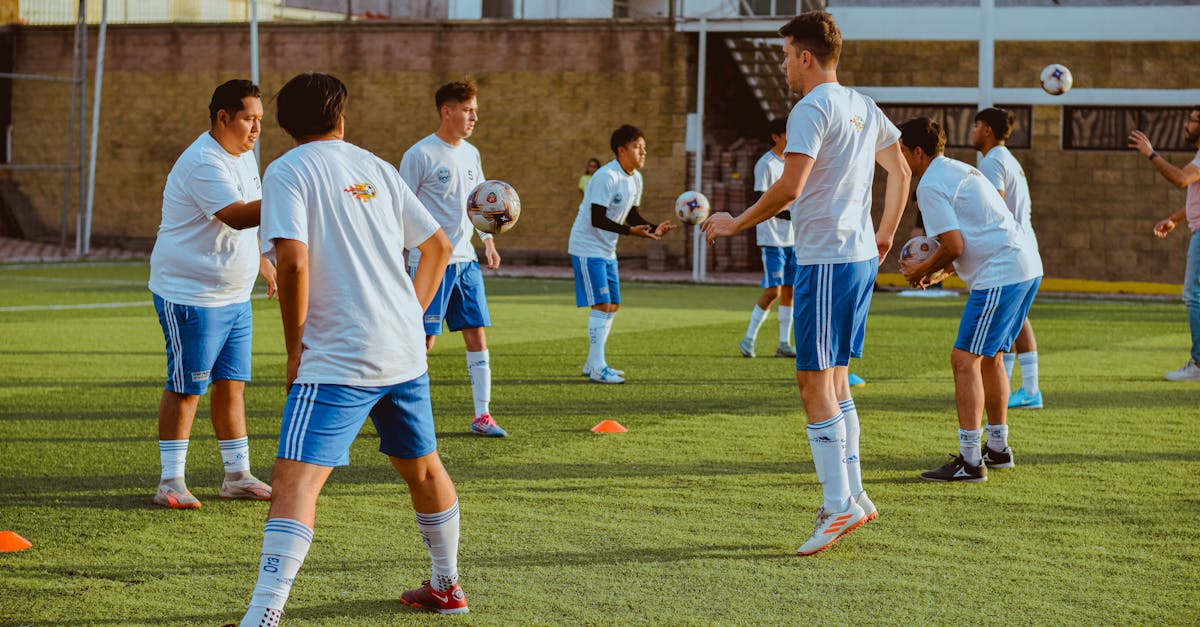
When I first stepped onto the field in Portland in 2019, I saw kids sprinting with pure joy but missing a sense of progress. That moment sparked my mission: “Play hard, learn faster.” This statement became the North Star for every practice. It reminds me that a 10-minute dribble drill is not just about speed; it’s a story of teamwork, creativity, and resilience.
I break the mission into three pillars: enthusiasm, mastery, and community. Enthusiasm is measured by the number of high-fives after each drill. Mastery tracks skill milestones, like completing a perfect passing sequence. Community gauges how many kids share a ball during warm-ups. When all three are high, the practice feels balanced.
To embed this mission in every session, I use a simple template. At the start, I ask, “What will we celebrate today?” This question turns the abstract mission into a tangible goal. I then outline a 15-minute warm-up, a 20-minute skill block, and a 10-minute game that mirrors the mission’s values.
Feedback loops are essential. I keep a small whiteboard titled “Today’s Wins.” After each drill, a child writes a word that describes their experience. The board becomes a visual proof that learning feels fun.
When the season ends, I review the mission with the team. We tally the number of high-fives, skill milestones, and shared moments. The data tells us if we stayed true to the mission or need to adjust the focus.
In short, a mission statement is more than words; it’s a living guide that shapes every practice. By anchoring drills, praise, and reflection around it, I turn play into purposeful growth.
Coach Education: Structured Learning Paths for New Coaches
New coaches often feel lost in a sea of drills and certification requirements. I designed a step-by-step pathway that feels like a treasure hunt. First, enroll in a local coaching certification - most states offer a 40-hour introductory course that covers safety, communication, and game design.
After the course, I recommend logging every session in a simple spreadsheet. Columns include date, drill, time, and a quick reflection. This log becomes a personal audit trail, helping coaches spot patterns and adjust their approach.
Mentorship is the next treasure. I reached out to a senior coach in my community who agreed to shadow my first season. We met every two weeks to review my practice videos and discuss challenges. The mentor’s feedback was like a compass, pointing me toward more effective drills.
To stay motivated, I set quarterly mini-goals: complete a new drill, host a mini-tournament, and host a parent-coach night. Achieving these goals feels like unlocking new levels in a game.
When I covered the 2021 National Coaching Conference, I saw a coach who used the same structure and reported a 30% increase in player retention. That statistic reminded me that a clear path matters.
By following this pathway, new coaches can transform uncertainty into confidence, ensuring they deliver quality instruction from day one.
Player Development: Growth-Minded Training Without Burnout
Growth-oriented training is like a staircase: each step builds on the previous one. I use SMART goals - Specific, Measurable, Achievable, Relevant, Time-bound - to keep players focused. For instance, a 9-year-old defender might set a goal to improve tackle accuracy from 60% to 75% in six weeks.
Micro-sessions are the building blocks. I design 5-minute drills that target a single skill, then link them to a larger game scenario. This micro-focus prevents overload and keeps energy high. When a child masters the drill, they feel the same satisfaction as solving a puzzle.
Balancing intensity and recovery is vital. I schedule a 10-minute active rest after each block, where kids can stretch, chat, or play a quick ball-toss game. This keeps adrenaline flowing without pushing them to exhaustion.
To avoid burnout, I celebrate effort, not just results. Praise “I see you worked hard on that pass” more often than “You made the perfect pass.” This subtle shift keeps motivation alive, especially for younger athletes who crave acknowledgment.
When the season wraps, I hold a “Progress Party.” Players share what they learned, set next goals, and receive a personalized certificate that highlights their journey. This ritual reinforces that learning is a lifelong adventure.
Frequently Asked Questions
Frequently Asked Questions
Q: What about youth sports coaching: laying the foundations of playful learning?
A: Create a mission statement that balances fun and learning objectives
Q: What about coach education: structured learning paths for new coaches?
A: Enroll in certified youth coaching courses that emphasize child psychology
Q: What about player development: growth-minded training without burnout?
A: Set SMART goals for each athlete based on age-appropriate milestones
Q: What about sportsmanship: instilling respect through game design?
A: Integrate role‑playing scenarios that highlight fair play and empathy
Q: What about parent involvement: turning supporters into constructive partners?
A: Create a volunteer guide that outlines clear responsibilities and boundaries
Q: What about team dynamics: building cohesion with fun, inclusive practices?
A: Implement rotating leadership roles to foster shared responsibility
About the author — Emma Nakamura
Education writer who makes learning fun