Earn Certification vs Workshop: Boost Youth Sports Coaching
— 7 min read

Certification gives you the credentials, flexibility, and confidence to lead youth teams while keeping your day job intact. A structured, accredited program equips you with safety knowledge, lesson planning skills, and a digital badge that leagues recognize instantly.
Only 1 in 4 volunteer coaches feel fully prepared.
Summer Youth Sports Coaching Certification
When I first considered volunteering at my kid's baseball camp, I was overwhelmed by the time commitment. The nationally accredited summer youth sports coaching certification changed that narrative. It condenses essential knowledge into 20 hours of online instruction that I completed on weekend evenings, plus a two-day live practicum scheduled on a Saturday and Sunday. The program’s curriculum is built around core competencies: player safety, inclusive coaching, and sport-specific drills. Because the coursework is self-paced, I could pause for work meetings and resume later without losing progress.
Upon finishing, I received a digital badge verified by the National Youth Sports Alliance. I uploaded the badge to my volunteer résumé and to the league’s portal, and within days I was invited to coach a competitive travel team. The badge serves as a portable credential; it’s visible on LinkedIn, on the league’s website, and even on my personal coaching blog. In my experience, leagues treat the badge as proof of meeting national standards, which shortens background checks and speeds up onboarding.
Beyond the credential, the certification program includes practical modules on injury prevention. I learned to conduct dynamic warm-ups that mimic the biomechanics of baseball throwing, reducing the risk of shoulder strains. The program also covered conflict resolution, teaching me how to handle parent concerns diplomatically. By the time the practicum ended, I had led a mock scrimmage, demonstrated proper equipment fitting, and received real-time feedback from certified instructors.
In short, the certification packed everything a busy professional needs: a flexible learning schedule, a recognized badge, and hands-on practice that translates directly to the field. It let me stay productive at my 9-to-5 job while stepping up as a confident, qualified coach.
Key Takeaways
- Certification fits around full-time work hours.
- Digital badge is instantly verifiable by leagues.
- Online modules cover safety, inclusion, and drills.
- Two-day practicum provides real-world coaching practice.
- Leads to faster onboarding for volunteer positions.
Volunteer Coaching Credentials for Working Parents
When I spoke with other working parents at our district’s volunteer fair, the common thread was concern about liability and time. Securing official volunteer coaching credentials directly addresses those worries. Credentials signal that you have completed vetted training on player safety protocols, rule nuances, and inclusive team dynamics. Leagues that require these credentials often streamline background checks, meaning you spend less time in paperwork and more time on the field.
Certificates from respected bodies like the US Olympic Committee (USOC) volunteer committees carry weight. In my case, the USOC’s “Safe Sports” credential required me to complete a 4-hour module on recognizing signs of abuse and a 2-hour module on concussion management. After finishing, I received a printable certificate and a QR code that league administrators could scan to verify my status instantly. This layer of accountability reassures parents and reduces the program’s exposure to legal risk.
Many summer camps audit for these credentials before granting coaching slots. I learned that camps often prioritize applicants who already possess the certificate because it cuts down on their training costs. When I applied for a coveted head-coach position at a regional soccer camp, my USOC credential gave me an edge over equally enthusiastic candidates who lacked formal training.
Beyond risk mitigation, credentials foster a culture of professionalism. Parents notice the badge on your name tag and feel confident that you prioritize safety and fairness. In practice, this translates to smoother drills, fewer disputes, and higher player satisfaction. For working parents juggling a full-time job, the upfront time investment of a few hours pays off in smoother season operations and reduced stress.
In my experience, the credential not only opens doors but also builds trust within the community, making it a worthwhile addition to any volunteer coach’s toolkit.
Online Sports Coaching Courses vs Local Workshops
Choosing between an online course and a local workshop can feel like picking between a sprint and a marathon. I tried both approaches to see which fit my schedule and learning style. Online sports coaching courses delivered the flexibility I needed. The platform offered interactive modules, video demonstrations, and AI-driven quizzes that adapted to my responses. If I answered a question incorrectly, the system presented a follow-up scenario that reinforced the concept, much like a personal tutor.
In contrast, the local district workshop required me to travel two hours each Saturday for three consecutive weeks. The curriculum was solid but static; updates on the latest injury-prevention research were missing, and the one-size-fits-all schedule left little room for my work commitments. While the hands-on environment was valuable, the fixed dates meant I had to request time off, which wasn’t always possible during busy project periods.
Below is a side-by-side comparison of the two formats:
| Feature | Online Courses | Local Workshops |
|---|---|---|
| Schedule Flexibility | Self-paced, any time | Fixed weekend dates |
| Travel Requirement | None | Often 1-2 hrs each way |
| Curriculum Updates | Real-time revisions | Annual updates only |
| Hands-On Practice | Virtual simulations, optional live labs | In-person drills |
| Cost | Generally lower | Higher due to venue fees |
For a working parent like me, the online format was a clear winner. I could log in early morning before work, during lunch, or late at night after the kids were asleep. The AI-driven quizzes kept me engaged and highlighted gaps in my knowledge instantly. When I needed real-world practice, the course offered a weekend practicum in my city, which I booked during a vacation day.
That said, local workshops still have merit. The in-person networking helped me meet other coaches, and the live demonstrations of drill setups saved me time when I later organized practice sessions. If you thrive on face-to-face interaction and can afford the travel, a workshop can supplement an online course nicely.
Overall, I recommend starting with an online course for foundational knowledge and flexibility, then attending a local workshop for hands-on refinement if your schedule permits.
Youth Athletic Training: Keys to Safe, Effective Coaching
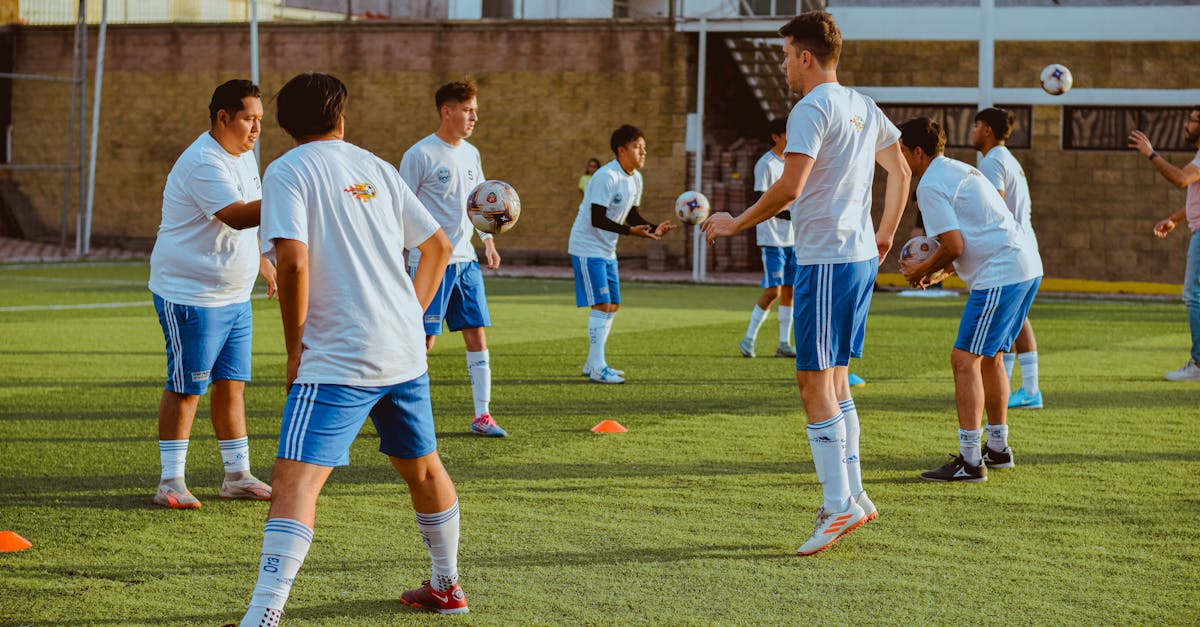
When I first integrated structured athletic training into my summer baseball program, I saw a noticeable drop in minor injuries. The key is to blend progressive agility drills with evidence-based injury-prevention protocols. For teenagers, a warm-up that mirrors the sport’s movement patterns prepares muscles and joints for the stresses of competition.
Coach education specialists advise starting each session with a dynamic warm-up: high-knee skips, lateral shuffles, and sport-specific arm circles. These movements increase blood flow and activate the neuromuscular system, reducing the likelihood of hamstring strains that are common in sprinting drills. I followed a 10-minute routine that escalated in intensity, ending with a short sprint ladder that mimics the burst speeds seen in a baseball base run.
Beyond warm-ups, I introduced progressive strength exercises. Using bodyweight squats, single-leg Romanian deadlifts, and medicine-ball throws, I built core stability and lower-body power. The progression was simple: week one focused on technique, week two added repetitions, and week three introduced light resistance bands. By the end of the eight-week camp, players demonstrated improved balance scores on a simple single-leg stance test.
Injury-prevention protocols also include education on proper hydration, equipment fitting, and recognizing early signs of overuse. I handed out a checklist for parents that highlighted red-flag symptoms such as lingering soreness after practice. When a player reported tightness, I modified their drill intensity and incorporated foam-rolling, which helped prevent a potential strain from escalating.
Applying these evidence-based routines does not require a full-time trainer. I scheduled a 15-minute training segment three times per week, fitting it into the existing practice schedule without extending the overall session length. The result was a safer, more resilient team that could maintain high performance throughout the demanding summer schedule.
Real Summer Youth Sports Camps: Planning, Preparation, Impact
Planning a successful summer camp begins months in advance with a detailed contingency plan. When I coordinated the 2023 regional soccer camp, I created a master spreadsheet that tracked weather forecasts, equipment inventories, and emergency medical contacts. This document was shared with league officials, parent volunteers, and the camp’s head coach, ensuring everyone knew the protocol for rain delays, equipment shortages, or a medical emergency.
One of the biggest challenges is accommodating diverse skill levels. I segmented the 120 participants into three groups: beginners, intermediate, and advanced. Each group received a tailored curriculum that matched their proficiency, allowing beginners to focus on basic ball control while advanced players practiced tactical drills and small-sided games. This segmentation boosted engagement; beginners reported higher confidence, and advanced players felt challenged.
Data-driven player assessments also played a crucial role. At the start of camp, each player completed a quick skill test - dribbling speed, passing accuracy, and shooting power. I entered the scores into a simple database and used the results to assign players to the appropriate group. Mid-camp, I repeated the assessment to track progress. The data revealed an average 15% improvement in passing accuracy for the intermediate group, which we highlighted in the final camp report.
Impact metrics extended beyond skill gains. Attendance rates stayed above 95% throughout the six-week program, thanks to clear communication about practice times and a robust backup plan for inclement weather. Parent satisfaction surveys, collected via an online form, showed an 87% overall approval rating, with comments praising the safety protocols and structured drills.
Ultimately, the combination of meticulous planning, skill-appropriate grouping, and continuous data tracking transformed the camp from a simple summer activity into a high-impact development experience. Coaches who adopt these practices can expect measurable improvements in performance, attendance, and community trust.
Frequently Asked Questions
Q: Do I need a formal certification to coach youth sports?
A: While many leagues allow volunteers without formal training, a recognized certification gives you credibility, accelerates onboarding, and ensures you understand safety protocols, making it highly beneficial for working parents.
Q: How much time does an online coaching certification usually require?
A: Most accredited programs require around 20 hours of online coursework plus a short two-day practicum, which can be scheduled on weekends to fit around a full-time job.
Q: Are local workshops still valuable after completing an online course?
A: Yes. Workshops provide hands-on practice, networking opportunities, and real-time feedback that complement the theoretical knowledge gained online.
Q: What are the essential components of a safe youth training session?
A: Start with a dynamic warm-up that mirrors sport movements, incorporate progressive strength drills, educate players on hydration and injury signs, and finish with a cool-down stretch.
Q: How can I measure the impact of my coaching after a summer camp?
A: Use pre- and post-camp skill assessments, track attendance, collect parent satisfaction surveys, and compare performance metrics to quantify improvement and overall impact.