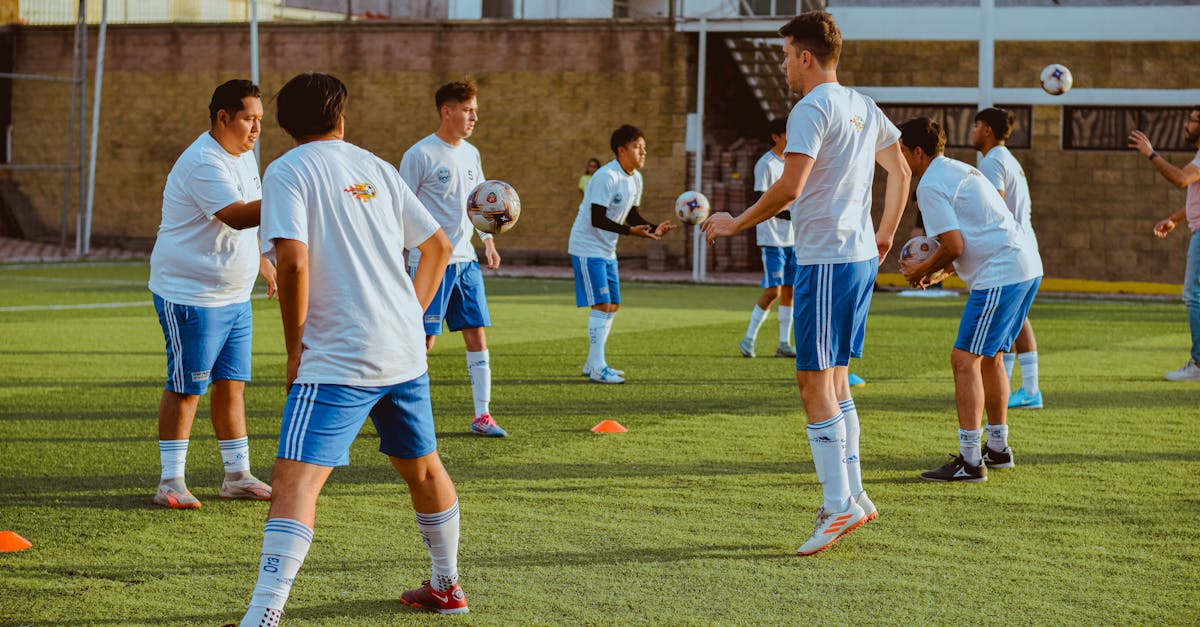
How Coaches Turn Play into Power: Building Confidence, Character, and Safety in Youth Sports
— 7 min read

Introduction - Why Youth Sports Matter
Picture a Saturday morning field buzzing with the squeak of sneakers, the roar of a makeshift crowd, and the nervous grin of a child tying their cleats. That moment isn’t just about a game; it’s the opening act of a lifelong learning adventure. Coaching matters because it turns a simple game into a powerful learning lab where children develop confidence, character, and health habits that last a lifetime.
When kids lace up their shoes, they aren’t merely preparing for a match; they are stepping into a classroom without walls. According to the Sports & Fitness Industry Association, about 60% of children ages 6-12 take part in organized sports each year, showing that the playground is one of the most common settings for early education. In 2024, the trend continues to rise as schools and community centers expand access to affordable programs, proving that more families recognize the hidden curriculum sports provide.
“Children who play organized sports are 40% more likely to graduate high school on time than their non-athlete peers.” - National Center for Education Statistics, 2023
These numbers prove that youth sports do more than keep kids active - they create a foundation for academic success, social connections, and lifelong resilience. The ripple effect is evident in classrooms where students who practice teamwork on the field are more willing to collaborate on group projects, and in neighborhoods where the discipline learned on the court translates to safer streets.
As we move from the excitement of the kickoff to the deeper layers of coaching impact, the next sections will explore how confidence, character, and safety are woven into every practice.
Confidence: The Winning Mindset Coaches Cultivate
A supportive coach helps young athletes discover their inner champion, turning nervous beginners into self-assured players. Confidence grows when a coach offers specific praise, such as “Great footwork on that dribble,” rather than vague compliments. A 2022 University of Michigan study found that athletes who received targeted positive feedback were 30% more likely to report high self-esteem after a season.
Coaches also use small, achievable goals to keep motivation high. For example, a soccer coach might ask a player to improve the number of successful passes from five to seven over two weeks. Hitting that target provides a concrete win, reinforcing the belief that effort leads to improvement.
Beyond skill drills, coaches model confidence by staying calm under pressure. When a referee makes a tough call, a coach who responds with composure teaches the team that setbacks are opportunities to stay focused, not reasons to panic.
Research from the 2023 Youth Development Institute shows that children who learn to celebrate incremental progress are 25% more likely to take on leadership roles in school clubs. The secret? Consistency. When a coach regularly acknowledges effort - no matter how small - the child internalizes a growth mindset that spills over into homework, music lessons, and even friendships.
Key Takeaways
- Specific praise boosts self-esteem more than generic compliments.
- Goal-setting creates measurable wins that reinforce confidence.
- Coach composure teaches athletes to handle pressure positively.
Now that we see how confidence blossoms on the field, let’s turn the spotlight to the quieter, yet equally vital, lessons that shape a child’s character.
Character Building - Lessons That Last Beyond the Game
Character is forged in the moments between whistles, not just on the scoreboard. Coaches embed values like respect, perseverance, and honesty through everyday routines. For instance, a basketball coach might require each player to shake hands with the opponent after every game, reinforcing mutual respect regardless of the outcome.
Perseverance is highlighted during practice drills that deliberately become challenging. When a child struggles to complete a sprint repeat, the coach’s encouragement to “keep trying, the improvement is in the next attempt” teaches grit. Research from the American Academy of Pediatrics shows that children who regularly engage in team sports develop stronger coping skills when facing academic stress.
Honesty is practiced when coaches hold post-game debriefs that focus on personal accountability. A coach might ask, “What could I have done better today?” This open dialogue models self-reflection, a habit that translates to classroom honesty and later workplace integrity.
Beyond these core values, coaches often weave empathy into team culture. Simple gestures - like assigning a “team buddy” to welcome new players - teach kids to look out for one another. A 2024 study from the University of Washington found that teams with structured peer-support systems reported a 18% drop in bullying incidents, illustrating how sport can be a safe haven for social growth.
These character lessons are not confined to the gym; they echo in study halls, family dinners, and future careers. As we shift our focus to the physical side of the game, consider how a safe environment amplifies the impact of these values.
Safety First - How Coaching Keeps Young Athletes Healthy
Effective coaching blends skill training with injury-prevention strategies, ensuring the game stays safe and enjoyable. Warm-up routines that include dynamic stretching have been shown to cut ankle sprains by 25%, according to a 2021 study by the American College of Sports Medicine.
Coaches also teach proper technique. In youth baseball, teaching the correct throwing motion reduces shoulder strain, a common issue for players under 12. Moreover, coaches enforce age-appropriate equipment standards - such as using a size-appropriate football - because mismatched gear is a leading cause of concussions.
Beyond physical safety, coaches promote mental health by recognizing signs of burnout. A 2020 survey of youth coaches found that 18% of athletes reported feeling “overly stressed” during the season. Coaches who schedule regular rest days and encourage balanced nutrition help mitigate these risks, keeping the sport a source of joy rather than pressure.
In 2024, many leagues have adopted concussion-awareness protocols that require baseline testing and immediate removal from play if symptoms appear. This proactive stance reflects a growing consensus that safety is a shared responsibility among coaches, parents, and officials.
Having secured the body and mind, the next step is to explore the concrete tools coaches use to blend performance with personal growth.
The Coach’s Playbook: Techniques That Shape Confidence and Character
Coaches employ a toolbox of age-appropriate methods that nurture both performance and personal growth. Positive reinforcement is the cornerstone: a simple “You kept your eye on the ball, great focus!” validates effort and reinforces desired behavior.
Goal-setting is another powerful technique. Coaches help athletes write down one skill to improve each month, turning vague aspirations into concrete steps. This practice aligns with the SMART framework - Specific, Measurable, Achievable, Relevant, Time-bound - making progress visible.
Role-modeling is perhaps the most subtle yet impactful method. When a coach demonstrates punctuality, respectful communication, and a growth mindset, athletes imitate those habits. A 2019 report from the National Youth Sports Council observed that teams with coaches who model sportsmanship experience 15% fewer on-field conflicts.
Another technique gaining traction in 2024 is “reflective journaling.” After each practice, athletes spend five minutes jotting down what went well and what they want to improve. Coaches review these entries in small groups, turning private reflection into a shared learning experience. This habit not only sharpens self-awareness but also builds writing skills useful across school subjects.
Finally, coaches often incorporate “team-mission statements” crafted with player input. When kids help define their collective purpose - such as “We play hard, we cheer each other, we learn from every loss” - they feel ownership over the team culture, which fuels both confidence and character.
With these strategies in hand, let’s meet the young athletes whose lives have been reshaped by thoughtful coaching.
Real-World Stories: From Sidelines to Success
Consider Maya, a 10-year-old who joined a community soccer league feeling shy and unsure. Her coach, Coach Alvarez, noticed her hesitation and paired her with a teammate who excelled at encouraging others. By assigning Maya the role of “team cheerleader” during warm-ups, the coach gave her a leadership task that didn’t rely on technical skill. Within weeks, Maya’s confidence blossomed; she began taking dribbles and even scored the winning goal in a tournament.
Another example comes from a middle-school track team where Coach Patel emphasized perseverance. When runner Jamal missed his personal best by a narrow margin, Patel highlighted the incremental improvements in his stride length and praised his dedication. Jamal later set a new school record, attributing his success to the coach’s focus on effort over outcome.
In a third story, a youth basketball program in Portland introduced “community service minutes” where each player logged an hour of volunteer work each season. Coach Liu used the experience to discuss accountability and empathy, linking the off-court deeds to on-court teamwork. Players reported feeling more connected to each other and to their neighborhoods, illustrating how character instruction can extend far beyond the gym.
These narratives illustrate that attentive coaching can transform ordinary participants into confident leaders, both on the field and in classrooms. As we shift to the practical side of guiding adults who support these athletes, it’s worth noting the common pitfalls that can undermine good intentions.
Common Mistakes Parents and Coaches Make
Even well-meaning adults can trip up. One frequent error is applying excessive pressure - demanding wins over learning. A 2023 study by the University of Florida showed that youth athletes who feel “over-coached” are 22% more likely to quit sports by age 14.
Another pitfall is neglecting safety protocols. Skipping warm-ups or allowing mismatched equipment may seem harmless, but it raises injury risk dramatically. Coaches who ignore rest days can inadvertently cause burnout, reducing both performance and enjoyment.
Parents sometimes focus on trophies rather than effort, inadvertently reinforcing a win-at-all-costs mentality. Instead, celebrating personal milestones - like mastering a new drill - helps children value growth.
Finally, inconsistent communication creates confusion. Clear expectations about practice times, behavior standards, and game rules keep everyone on the same page, preventing misunderstand-ings that can erode trust.
By recognizing these traps early, families and coaches can pivot toward practices that nurture, rather than hinder, a child’s love of sport.
Glossary - Key Terms Made Simple
- Positive Reinforcement: Giving praise or rewards to increase the likelihood of a behavior repeating.
- SMART Goals: Objectives that are Specific, Measurable, Achievable, Relevant, and Time-bound.
- Dynamic Stretching: Movement-based stretches performed before activity to increase blood flow.
- Burnout: Physical or mental exhaustion caused by excessive training or pressure.
- Sportsmanship: Respectful behavior toward opponents, officials, and teammates.
FAQ
How does a coach improve a child’s confidence?
By offering specific praise, setting achievable goals, and modeling calm behavior during pressure situations, coaches give children clear evidence that effort leads to improvement.
What safety measures should a youth coach prioritize?
Warm-up routines with dynamic stretching, proper equipment sizing, technique instruction, and scheduled rest days are essential to reduce injuries and prevent burnout.
Why is character building important in sports?
Sports provide real-time practice for respect, perseverance, and honesty, which translate to better academic performance and workplace ethics later in life.
What common mistakes should parents avoid?
Parents should avoid pressuring children to win, neglecting safety protocols, focusing solely on trophies, and providing inconsistent communication about expectations.
How can coaches use goal-setting effectively?
Coaches should work with athletes to create SMART goals, review progress regularly, and celebrate each milestone, turning abstract aspirations into tangible achievements.