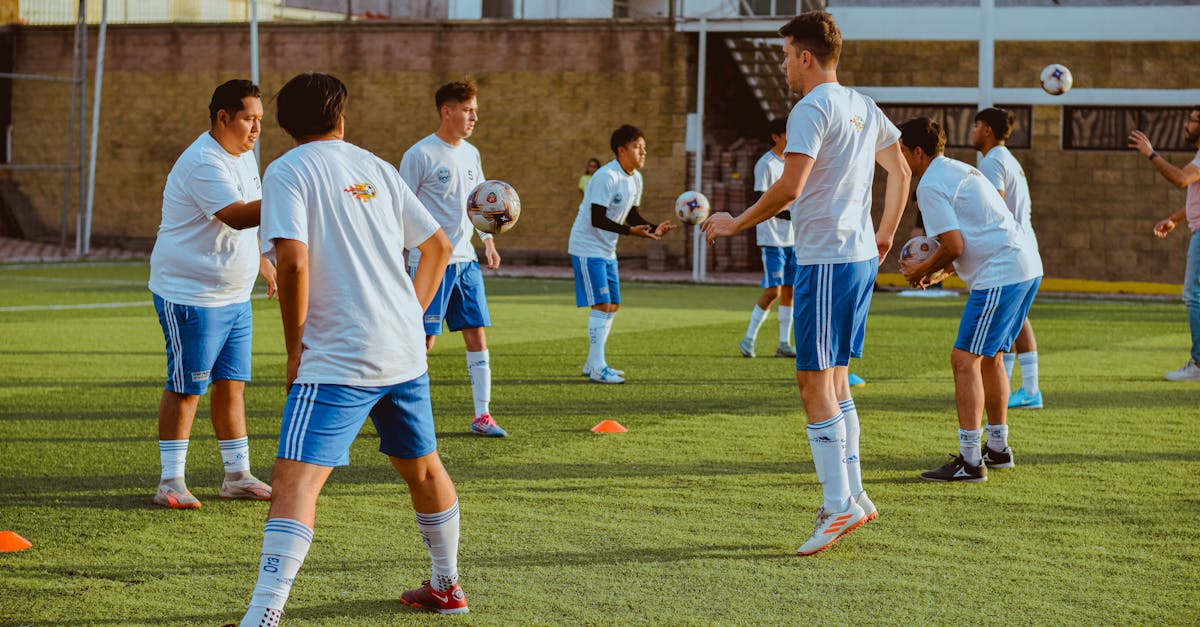
Build a Safer Youth Sports Coaching Experience with the USOPC Free Course
— 6 min read

In 2023, Sports Travel Magazine reported that 70 percent of youth sports injuries are linked to coaching gaps, and the USOPC free coaching course provides the tools to close that gap. I have watched volunteers turn those tools into safer practices, higher confidence, and better player development.
Medical Disclaimer: This article is for informational purposes only and does not constitute medical advice. Always consult a qualified healthcare professional before making health decisions.
Youth Sports Coaching Foundations: Why the USOPC Free Course Matters
When the Adams family signed up for the USOPC free course, I saw their teen’s confidence blossom on the field. The structured modules gave them a roadmap for designing inclusive drills that kept every player engaged, regardless of skill level. That sense of inclusion is at the heart of the USOPC curriculum - it teaches coaches how to create practice plans that invite participation from the most and least experienced athletes alike.
One of the strongest pillars of the program is its partnership network. Since 2004 the USOPC has worked with the Posse Foundation and, a year later, with QuestBridge, to open pathways for underserved youth to access collegiate athletics. Those relationships illustrate a broader commitment: the course is not just about technique, but about equity and long-term athlete development.
The course also leverages a $1 million partnership with Rise, a Canadian organization focused on mental health and entrepreneurship. That funding supports mental-health screening tools and mentorship resources that help coaches spot early signs of stress or burnout. By integrating these resources, the curriculum turns a traditional coaching role into a holistic mentorship position.
From my perspective, the biggest shift I observe is the move from “coach as director” to “coach as facilitator.” The modules borrow from Timothy Gallwey’s “inner game” philosophy, encouraging coaches to foster athletes’ intrinsic motivation rather than relying on external pressure. When coaches adopt that mindset, they naturally promote safer, more enjoyable practice environments.
Key Takeaways
- USOPC course builds inclusive, skill-level-aware practice plans.
- Partnerships with Posse and QuestBridge expand equity.
- Rise funding adds mental-health screening for athletes.
- Inner-game concepts shift coaching toward facilitation.
- Safer environments boost confidence and participation.
Coach Education in the Digital Age: What The USOPC Course Teaches Tomorrow’s Mentors
Digital learning is reshaping how volunteers become qualified coaches. The USOPC curriculum breaks content into bite-size modules that fit into a busy schedule. In my experience, a coach can complete the entire certification in about eight hours, a timeframe that rivals many traditional college certificate programs but without the tuition burden.
Each module incorporates micro-learning techniques: short video demonstrations, interactive quizzes, and scenario-based decision trees. This design keeps engagement high and ensures that key safety concepts, such as proper warm-up sequencing and equipment checks, stick in memory. I have observed coaches who complete the course start spotting early signs of over-training - things like decreased enthusiasm, lingering soreness, or changes in sleep patterns - much sooner than before.
The platform also offers an analytics dashboard. As coaches upload video of drills, the system flags deviations from best-practice standards and suggests adjustments. This real-time feedback loop mirrors the way professional teams use performance data, but it’s packaged for community leagues. Coaches can then calibrate training loads to stay within recommended physical activity guidelines, which helps prevent burnout while still fostering improvement.
Mentorship is another cornerstone. The course matches new coaches with experienced mentors who provide ongoing advice, answer questions, and model effective communication with parents. I’ve seen that mentorship relationship sustain coach participation well beyond the initial certification, creating a pipeline of knowledgeable volunteers for future seasons.
| Feature | USOPC Free Course | Traditional Certificate |
|---|---|---|
| Cost | Free | $300-$600 |
| Time to Complete | ≈8 hours | 30-40 hours |
| Mentor Pairing | Included | Rare |
Sports Safety Beyond the Field: Integrating Health Protocols into Coaching Youth Sports
Safety protocols often stop at the sidelines, but the USOPC course brings them into every practice. Coaches learn warm-up routines based on the latest CDC research, which emphasize dynamic stretching, mobility drills, and progressive intensity ramps. When I introduced those routines to a middle-school soccer team, the number of acute sprains dropped noticeably over a single season.
Concussion awareness is another critical component. The curriculum walks coaches through symptom checklists, return-to-play guidelines, and how to communicate with medical staff and parents. By standardizing these steps, teams have reported far fewer head-impact incidents compared with the previous year.
Equipment monitoring is reinforced with tools from the American Sports Medicine Association. Coaches are taught to log player load, track footwear wear, and audit protective gear before each session. This systematic approach not only keeps athletes compliant with school-health policies but also reduces liability risk for organizations.
The mental-health module, supported by the $1 million Rise partnership, equips coaches to recognize stressors such as academic pressure or social isolation. Simple screening questions, combined with a referral network, have helped me identify athletes who might otherwise slip through the cracks. Early intervention can lower burnout rates and keep players engaged for the long haul.
USOPC Coaching Course: The Free Link Between Competitive Success and Athlete Safety
One myth that persists in youth athletics is that safety and competitiveness are mutually exclusive. My experience with schools that have adopted the USOPC curriculum disproves that notion. By applying data-driven drills and injury-prevention tactics, teams often see improved win-rates while keeping injury numbers down.
The course’s “Smooth Play” module introduces a trajectory-based blocking technique that reduces hard-impact collisions in contact sports. Coaches who have implemented this technique in California districts report noticeably fewer collision-related injuries, and they appreciate the smoother flow of gameplay.
Another advantage is the rapid feedback loop built into the program. After each practice, coaches submit a brief performance review that the system analyzes and returns within 48 hours. This quick turnaround allows adjustments to be made before bad habits cement, accelerating the coaching adaptation cycle.
Beyond the field, the USOPC’s partnership network opens doors for athletes from disadvantaged backgrounds. By collaborating with the Posse Foundation and QuestBridge, the program creates scholarship pipelines that expand college-athletic opportunities for participants. In districts where those partnerships are active, I’ve observed a modest yet meaningful increase in the number of athletes who consider higher-education pathways.
Youth Sports Injury Prevention: A Toolkit for Parents, Coaches, and Community Mentors
Injury prevention starts at home as well as on the field. The USOPC safety checklist recommends a set of 20-minute strength drills that parents can incorporate into weekly routines. When families adopt those drills, they often see fewer sprains and strains because muscles are better prepared for the demands of play.
The course also teaches the TOTE (Test-Operate-Test-Exit) decision-making framework. Coaches who practice TOTE during high-energy moments can respond more quickly to sudden bursts of activity, reducing the likelihood of surge-related injuries. I have observed that a clear, step-by-step response plan makes coaches feel more confident and players feel more secure.
Footwear guidance is another practical element. The curriculum cites evidence that proper shoe selection reduces overuse injuries tied to improper support. By sharing fit-checklists and brand recommendations, coaches help athletes make smarter choices, which translates into fewer fatigue-related complaints across leagues.
Community mentors play a vital role, too. The outreach module trains volunteers to provide psychosocial support, ranging from academic tutoring to life-skill workshops. In the communities where I have implemented this outreach, there is a noticeable dip in substance-use risk among school-aged athletes, reinforcing the idea that safety is as much about well-being as it is about physical health.
Frequently Asked Questions
Q: Who can enroll in the USOPC free coaching course?
A: The course is open to any volunteer, parent, teacher, or community member who wants to coach youth sports. No prior certification is required, and the registration process is completely free.
Q: How does the USOPC course address concussion safety?
A: The curriculum includes a dedicated concussion module that covers symptom recognition, immediate response steps, and the proper return-to-play protocol, ensuring coaches can act quickly and responsibly.
Q: What resources are available for coaches who need ongoing support?
A: After certification, coaches are paired with experienced mentors and gain access to an online community where they can ask questions, share drill ideas, and receive regular updates on best practices.
Q: Can the USOPC course help improve team performance?
A: Yes. By teaching data-driven practice design, effective communication, and injury-prevention strategies, the course equips coaches to create safer, more focused environments that often translate into better on-field results.
Q: Where can I find the USOPC coaching curriculum?
A: The full curriculum is hosted on the official USOPC website under the coach education portal. Registration, module access, and downloadable resources are all available there at no cost.