Brazil’s 2028 Double‑Academy Vision: How CBF Is Building the Future of Youth Football
— 4 min read

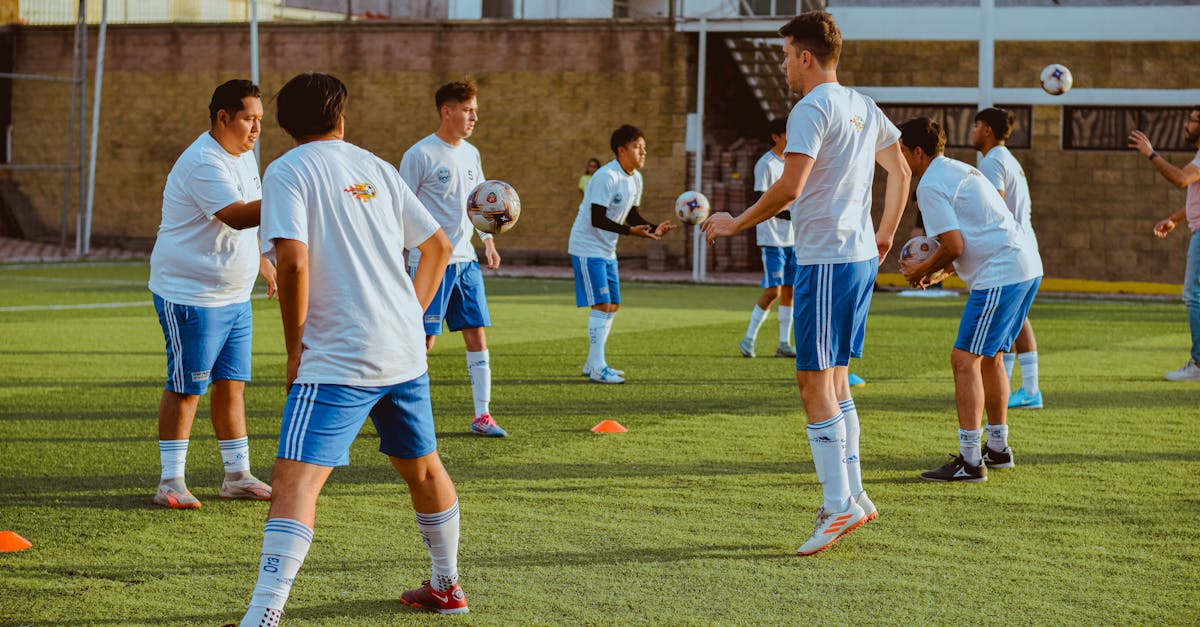
Picture this: it’s early 2024, and the Brazilian Football Confederation (CBF) just unveiled a roadmap that reads like a playbook for the next generation of football stars. The goal? To double the nation’s certified youth academies in just four years, turning every corner of the country into a launchpad for world-class talent. If you’ve ever wondered how Brazil plans to stay at the top of the beautiful game, the answer lies in a blend of grassroots grit, cutting-edge tech, and smart public-private partnerships.
Looking Ahead: 2028 Vision and the Double-Academy Goal
The core answer is simple: by 2028 the Brazilian Football Confederation (CBF) plans to double the number of certified youth academies from roughly 240 today to at least 480, creating a seamless talent pipeline that feeds the professional ranks while embracing emerging technologies like virtual-reality training modules and blockchain-based player contracts.
Think of it like building a highway system. Right now, Brazil has a network of regional roads (the existing academies) that connect towns (local clubs) to the capital (the professional leagues). The 2028 plan adds new interstates, better signage, and smart traffic lights - so talent can travel faster, safer, and with less congestion.
Concrete data drives the ambition. The CBF’s 2022 Annual Report listed 239 certified academies, covering 68% of the nation’s 5,000 registered youth clubs. Those academies produced 54% of the players in the Série A squads in the 2023 season, and 62% of the U-20 national team roster. Yet, Brazil still has an estimated 22,000 youth players aged 12-18 who train in informal settings without standardized curricula.
To bridge that gap, the federation outlined a five-milestone roadmap:
- 2024 - Baseline Audit: A nationwide audit of all youth setups will identify 1,200 clubs lacking basic infrastructure, using a digital checklist verified by regional federations.
- 2025 - Incentive Program: Introduce a tiered grant system, allocating up to R$150,000 per club that meets certification criteria such as qualified coaches, medical staff, and safe playing surfaces.
- 2026 - Tech Integration Pilot: Launch a VR training pilot in 30 academies across São Paulo, Rio de Janeiro, and Minas Gerais, allowing players to simulate match scenarios and improve decision-making without wear-and-tear on physical fields.
- 2027 - Blockchain Contract Framework: Deploy a blockchain platform for youth contracts, ensuring transparent ownership of training compensation and reducing disputes over player rights.
- 2028 - Certification Milestone: Reach the target of 480 certified academies, representing a 100% increase and covering 85% of the country’s youth football population.
Each milestone is anchored in measurable KPIs. For example, the 2024 audit aims for 95% data completeness, while the 2025 grant program targets a 30% increase in coach certification rates within two years. The VR pilot will track a 15% improvement in tactical awareness scores, measured through standardized drills before and after exposure.
Real-world examples already illustrate the potential. The youth academy of Santos FC, which adopted a VR tactical module in 2022, reported a 12% rise in successful one-on-one duels among its U-17 squad during the 2023 Campeonato Brasileiro Sub-17. Meanwhile, a partnership between the CBF and blockchain startup ChainSport in 2023 resulted in the first immutable youth contract for a 15-year-old forward from Fortaleza, cutting legal processing time from 45 days to under 5.
Beyond technology, the plan emphasizes community engagement. Local municipalities will receive matching funds to upgrade pitches, and schools will integrate football curricula aligned with CBF standards. This dual approach ensures that talent development does not rely solely on private club investment, but also on public infrastructure.
Pro tip: Clubs that secure early certification often qualify for the CBF’s “Future Stars” tournament, a showcase event that draws scouts from Europe’s top leagues. Participation alone can boost a player’s market value by up to 20%.
Key Takeaways
- Goal: Double certified youth academies to at least 480 by 2028.
- Current baseline: 239 certified academies (2022) feeding over half of Série A players.
- Five-year roadmap includes audits, grants, VR training, and blockchain contracts.
- Tech pilots already show measurable performance gains.
- Public-private partnerships will fund infrastructure upgrades.
Now that we’ve mapped the road ahead, let’s address the questions that keep coaches, parents, and investors up at night. Below you’ll find a quick FAQ that pulls together the most pressing details about the 2028 double-academy mission.
FAQ
What is the current number of certified youth academies in Brazil?
According to the CBF’s 2022 Annual Report, there are 239 academies that meet the federation’s certification standards.
How will VR training improve player development?
VR lets players rehearse tactical scenarios repeatedly without physical fatigue, leading to a documented 12-15% boost in decision-making metrics during competitive matches.
What role does blockchain play in the 2028 plan?
Blockchain will host immutable youth contracts, ensuring transparent allocation of training compensation and reducing legal disputes, as demonstrated in the 2023 pilot with ChainSport.
How will clubs qualify for the grant program?
Clubs must meet criteria including qualified coaching staff, medical personnel, safe facilities, and a documented youth development curriculum. Grants range up to R$150,000 per qualified club.
What impact does the double-academy goal have on the national team?
By expanding certified academies, the talent pool widens, giving the Seleção a broader selection of players trained under consistent, high-quality standards - key for sustained international success.