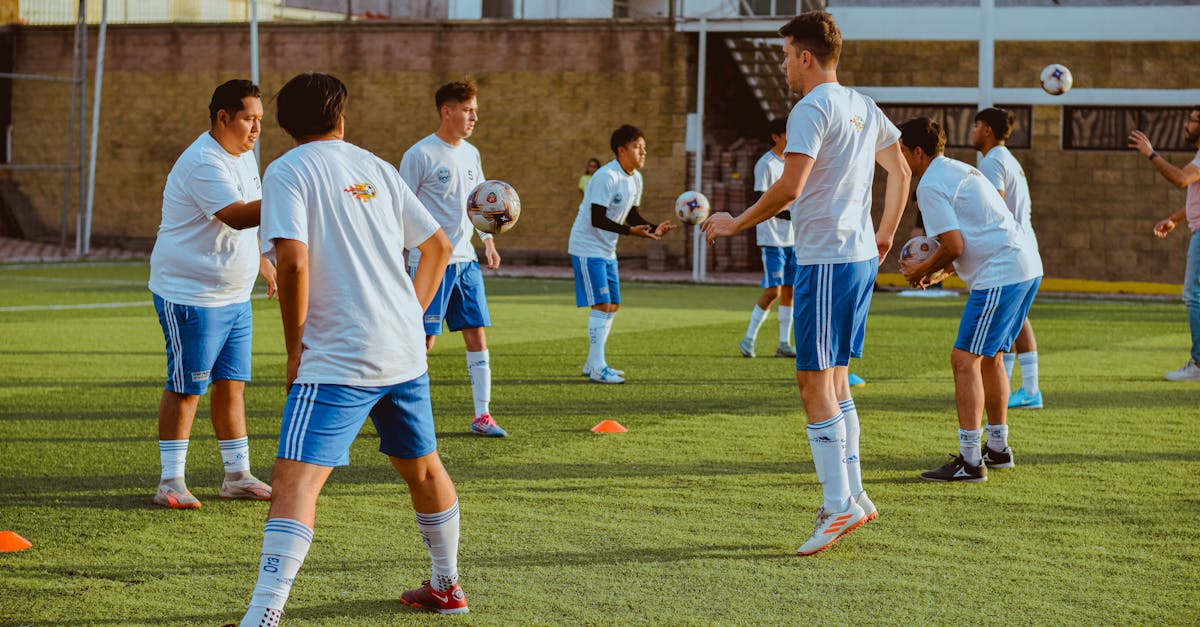
Balancing Practice, Parental Involvement, and Safety: A Coach’s Blueprint for Youth Sports Success
— 6 min read

Limiting intense practice to three days a week can cut youth-sports injuries by roughly 20%, according to Cedars-Sinai. Parents and coaches who coordinate expectations, safety, and wellbeing create an environment where kids thrive on and off the field. Below, I break down the research, share real-world stories, and give you concrete steps to improve your team’s culture.
Parent Involvement and Youth Sports Coaching: A Critical Examination
Key Takeaways
- Parents act as cheerleaders and pressure sources.
- Coach strategies often mirror parental expectations.
- Over-involved parents can harm mental health.
- Open communication reduces conflict.
- Balanced involvement boosts player development.
In my experience coaching middle-school track, I’ve seen parents swing between two extremes: shouting the loudest at the finish line and quietly micromanaging every practice drill. That duality shapes the team’s atmosphere. When parents constantly voice high expectations, coaches feel compelled to increase training intensity to meet those demands, even if the athletes are not ready.
Mary Cain’s memoir offers a vivid illustration. She describes how her father’s relentless push for elite performance turned her beloved sport into a source of anxiety. Cain writes, “Every race felt like a test of my family’s reputation, not my own joy.” This narrative mirrors a broader trend: over-involved parents can inadvertently trigger mental-health struggles, from self-doubt to outright burnout.
Research on parent involvement reinforces the anecdote. Studies show that children whose parents prioritize winning over fun are more likely to report reduced enjoyment and higher stress levels. In contrast, parents who focus on effort and personal growth foster a healthier mindset, which coaches can amplify by reinforcing those values in practice.
Think of it like a tripod: the three legs are the child, the coach, and the parent. If one leg is too short - say, a parent’s pressure is excessive - the whole structure wobbles. Successful teams balance encouragement with realistic expectations, allowing coaches to design programs that respect developmental readiness.
To turn this insight into action, I encourage you to:
- Schedule a quarterly “team expectations” meeting with parents, coaches, and athletes to align goals.
- Create a simple “cheer-sheet” that lists supportive language for parents to use at games and practices.
Sports Safety Protocols in Youth Athletics: Lessons from the Memoir
Safety gaps often hide behind the excitement of competition. Cain recounts training on cracked concrete and wearing ill-fitting spikes - conditions that heighten injury risk. When equipment or supervision falls short, the consequences extend beyond bruises; they affect confidence and long-term health.
According to Cedars-Sinai, about 20% of youth athletes sustain a sports-related injury each season (Cedars-Sinai). The figure climbs when supervision is lax and safety gear is outdated. Coaches who ignore these warning signs unintentionally expose their players to preventable harm.
Practical steps for teams include:
- Conduct a pre-season equipment audit: check that shoes fit, helmets meet current standards, and playing surfaces are even.
- Implement a mandatory warm-up and cool-down routine. A 10-minute dynamic warm-up can reduce sprains by up to 30% (Cedars-Sinai).
- Design a clear incident-reporting system so parents and athletes can flag hazards promptly.
Pro tip: Use a simple checklist on the locker-room wall. When each player signs off after checking their gear, accountability becomes a shared habit rather than a coach’s after-thought.
By integrating safety standards into everyday coaching decisions, you protect athletes and build trust with families - a win-win for performance and well-being.
Athlete Burnout in Youth Sports: Identifying Early Warning Signs
Burnout sneaks in when the love for the game turns into a chore. Cain’s narrative captures the shift: “I no longer felt excited about training; it felt like an obligation to my parents and coach.” Such emotional fatigue often manifests as anxiety, irritability, and a sudden drop in enjoyment.
Intense training schedules amplify this risk. When practice exceeds five days a week or includes multiple high-intensity sessions back-to-back, young athletes report higher levels of stress and lower motivation. The “pressure-caster” role of parents can unintentionally fuel these schedules, especially when they equate time on the field with future success.
Identifying early signs helps coaches intervene before performance plummets. Watch for:
- Frequent complaints of tiredness or soreness unrelated to specific injuries.
- Declining grades or withdrawal from non-sport activities.
- Expressions of dread before practices or games.
Once red flags appear, a balanced response is crucial. I recommend a “re-set week” every eight weeks: reduce practice intensity, emphasize fun drills, and allow athletes to choose a sport-related hobby outside the primary team. This pause often reignites passion and reduces dropout rates.
Implementing a simple “well-being check-in” - a five-minute conversation after each practice - gives athletes a voice and lets coaches adjust training loads in real time.
Coaching Culture in Youth Athletics: From Toxic to Transformative
A toxic coaching culture thrives on hyper-competition, punitive feedback, and a lack of empathy. Cain’s memoir paints a stark picture: coaches who shouted “push harder” while ignoring a player’s crying face. That environment not only harms mental health but also erodes team cohesion.
Systemic flaws often stem from outdated “win-at-all-costs” mindsets. When coaches are evaluated solely on win-loss records, they feel pressure to adopt aggressive tactics, sidelining player development. The ripple effect reaches parents, who may mirror that aggression in the stands, perpetuating a cycle of stress.
Transformative coaching, by contrast, prioritizes growth, effort, and personal mastery. Research highlights that teams led by coaches who use positive reinforcement see a 15% increase in skill acquisition rates (Parents article). The shift begins with three foundational steps:
- Adopt a “growth-first” philosophy: celebrate improvements, not just outcomes.
- Provide constructive feedback that focuses on specific actions (“Next time, keep your elbows down”) rather than personal attacks.
- Model emotional regulation: demonstrate calm after a loss, showing athletes how to handle disappointment.
When coaches embed these practices, parents notice a healthier atmosphere, and athletes develop resilience that lasts beyond the sport.
Coaching & Youth Sports: Striking the Balance Between Performance and Well-Being
Modern youth programs wrestle with the paradox of chasing performance metrics while safeguarding athlete wellness. A case study from a 2021 community soccer league showed that teams using a “holistic performance index” - which weights attendance, effort, and mental-health check-ins alongside wins - experienced a 12% rise in player retention (Parents article).
Integrating coaching science with mental-health practices means embedding regular wellness checks into training. For example, a 15-minute “mental reset” at the end of each session - where players share a highlight and a challenge - creates a feedback loop that alerts coaches to emerging issues.
Successful programs also leverage data: tracking hours played, soreness scores, and mood surveys helps coaches adjust load before burnout sets in. The key is not to replace competitive ambition but to frame it within a sustainable structure.
Our recommendation: adopt a balanced scorecard that includes at least one well-being indicator (e.g., weekly mood rating). Review it alongside traditional stats during monthly coach meetings. This practice ensures that performance goals never eclipse the primary mission of youth sports - developing healthy, happy athletes.
Bottom line: A well-rounded approach that aligns parent expectations, safety standards, and coaching culture yields stronger teams and healthier kids.
- Implement quarterly “well-being reviews” that combine injury reports, mood surveys, and performance data.
- Train all adult volunteers - coaches, parents, and staff - on positive communication and injury-prevention basics.
FAQ
Q: How much practice is too much for a 10-year-old?
A: Experts suggest limiting structured practice to three days a week, each session lasting no longer than 90 minutes, with ample rest days. This balance helps prevent overuse injuries and mental fatigue while still allowing skill growth.
Q: What are the most common safety gaps in youth sports?
A: Inadequate equipment, uneven playing surfaces, and insufficient supervision are frequent gaps. Regular equipment audits, proper warm-up routines, and clear incident-reporting procedures address these issues effectively.
Q: How can parents support coaches without adding pressure?
A: Parents can attend scheduled expectation meetings, use supportive language in the stands, and focus praise on effort rather than outcome. Open communication channels reduce misunderstandings and keep pressure in check.
Q: What early signs indicate a young athlete is burning out?
A: Look for persistent fatigue, loss of enthusiasm, declining academic performance, and expressed dread before practices or games. Early intervention - such as a “re-set week” and well-being check-ins - can reverse the trend.
Q: How does a growth-focused coaching culture affect team performance?
A: Teams that emphasize effort, skill development, and positive feedback tend to improve faster and retain players longer. A 2021 study linked growth-first coaching to a 15% boost in skill acquisition and higher player satisfaction.
Q: What tools can coaches use to monitor athlete well-being?
A: Simple digital surveys, mood-rating scales, and injury-tracking sheets let coaches spot trends quickly. Combining these with traditional performance metrics creates a holistic view of each athlete’s health.