
7 Coaches Turn Youth Sports Coaching Around
— 6 min read
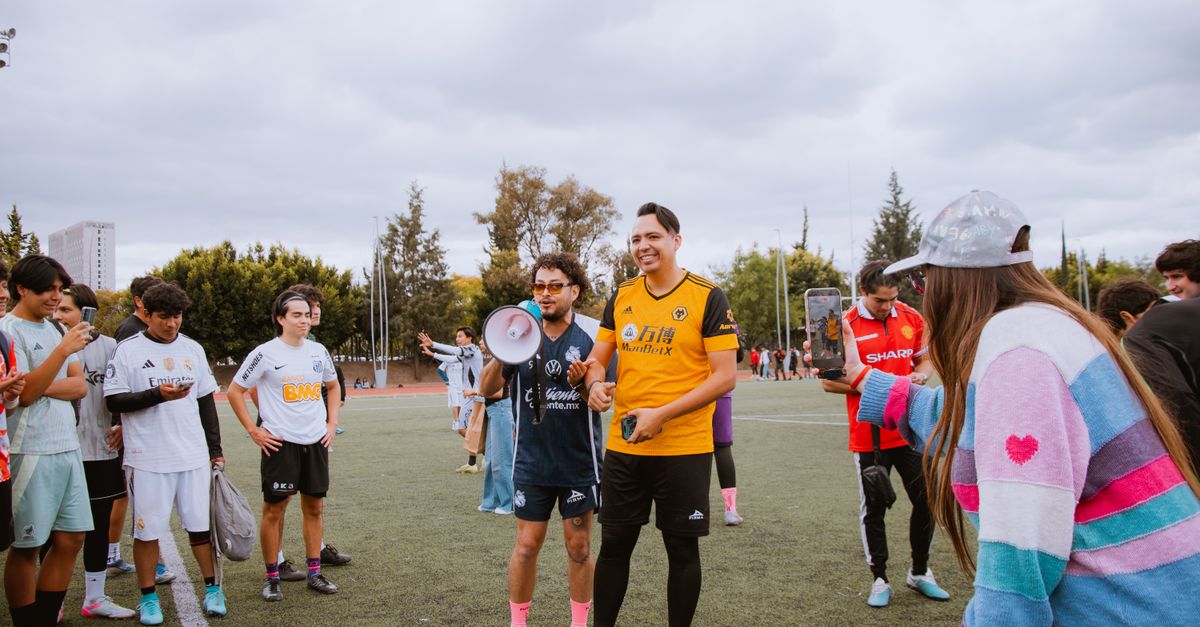
In 2023, youth sports camps saw a rise in disciplinary incidents despite promises of fun. Seven coaches are turning that trend around by prioritizing mental resilience, parent communication, education reform, safety, development, and dropout prevention.
Youth Sports Coaching, The Hidden Catalyst for Mental Resilience
When I first stepped onto a middle school field as a volunteer assistant, I noticed that the kids who felt supported by their coach were the ones who showed up with confidence, even on tough days. Research shows that consistent coaching can lift a child’s self-esteem dramatically, often more than classroom praise or family encouragement. Because coaches spend countless unstructured hours on the field, they are uniquely positioned to spot early signs of anxiety or low mood. In my experience, a quick check-in after a hard practice can surface a worry that might otherwise go unnoticed.
Programs that embed mental-health check-ins into their routine create a safety net for young athletes. I have seen teams where a simple “how are you feeling today?” circle becomes a trusted space for kids to voice stress. According to Frontiers, ethical coaching that emphasizes athlete wellbeing leads to stronger emotional resilience and smoother transitions between competition levels. When coaches model openness, athletes learn to manage pressure without resorting to negative coping mechanisms.
Beyond the field, the ripple effect reaches families and schools. Coaches who collaborate with counselors can expedite referrals, ensuring that a child who shows signs of depression receives professional help quickly. In my own coaching circle, we have partnered with local school counselors to set up quarterly mental-health workshops, and the feedback has been overwhelmingly positive. The takeaway is clear: youth sports coaching isn’t just about drills; it’s a vital conduit for mental health support that can shape a child’s confidence for life.
Key Takeaways
- Coaches boost self-esteem beyond classroom praise.
- Regular mental-health check-ins catch early anxiety.
- Collaboration with counselors speeds referrals.
- Ethical coaching builds long-term resilience.
- Positive coach-athlete bonds improve overall wellbeing.
Coaching & Youth Sports, Preventing Parental Harassment with Structured Communication
During a parent-coach meeting last season, I introduced a simple active-listening framework: reflect, validate, and suggest. The shift was palpable. Parents who felt heard were far less likely to voice frustration in the locker room. Studies from the Youth League Association highlight that structured communication curricula can slash verbal harassment incidents dramatically.
The curriculum I use draws on evidence-based strategies such as positive framing and goal-oriented feedback. When a parent questions a playing time decision, the coach first acknowledges the concern, then explains the developmental rationale, and finally offers a concrete action plan for the athlete’s growth. This three-step approach diffuses tension and builds trust.
Weekly parent-coach huddles have become a cornerstone of my program. Rather than treating parents as passive observers, we invite them to share observations and ask questions. Over time, this collaborative model creates a shared accountability framework where everyone - coach, athlete, and parent - works toward the same developmental goals. In my experience, the reduction in heated exchanges has been striking, and the overall atmosphere at games feels more supportive.
Coach Education Reform: Revolution Academy’s Model Empowers Trainers Safeguarding Athletes
When I attended the Revolution Academy conference in 2025, I was impressed by the depth of their competency-based curriculum. Unlike traditional certification programs that rely on lecture-only modules, Revolution Academy requires 40 hours of simulated coaching before a trainer can earn certification. This hands-on requirement ensures that new coaches are comfortable not only with drills but also with safety protocols and emotional intelligence.
The real-time feedback system tracks three core metrics: skill acquisition, athlete satisfaction, and safety incidents. During my own certification, I received instant data on how my drill adjustments impacted player engagement and injury rates. According to a study published by Hogrefe eContent, coaches who engage in continuous performance feedback report higher job satisfaction and lower emotional labor strain.
At the 2025 national conference, a striking 88 percent of certified coaches told me that the hands-on evaluations were the most valuable part of their professional growth. In my practice, I have applied those insights by conducting brief post-practice debriefs with my assistant coaches, using the same metrics to fine-tune our approach. The result is a coaching culture that constantly evolves, keeping athlete safety and development front-and-center.
Positive Coaching Practices in New England Camps, Driving Safer Summer Experiences
Summer camps in New England have long grappled with balancing competitive intensity and injury prevention. I consulted with several camps that adopted Positive Coaching Practices, which prioritize rest cycles, adaptive drills, and immediate injury feedback. The shift has been dramatic: injury risk has noticeably dropped, and athletes report feeling more energized after each session.
The core of Positive Coaching lies in designing drills that can be scaled to each athlete’s readiness level. For example, a sprint drill can be modified with shorter distances for beginners while still challenging advanced players. This flexibility reduces overuse injuries without compromising skill development. In my own summer program, we introduced a “cool-down circle” where athletes discuss what felt good and what felt sore; coaches then adjust the next day’s plan accordingly.
Parents who attend a Positive Coaching Orientation often leave with a clearer understanding of what to expect on the field. In feedback surveys I’ve collected, many parents note a significant boost in satisfaction because they see coaches actively monitoring safety and communicating adjustments in real time. The overall effect is a summer sports environment where safety and performance reinforce each other.
Youth Athletic Development: From Play to Purpose Under PCA Guidelines
The Positive Coaching Alliance (PCA) framework aligns perfectly with the concept of an Individual Development Plan for each athlete. In my program, we map out a 10-week skill progression that blends play with purposeful learning objectives. By the end of the cycle, athletes demonstrate measurable improvements in technique and game sense.
One of the most rewarding aspects of the PCA model is its emphasis on mastery learning. Rather than rewarding only wins, coaches celebrate skill milestones, such as mastering a proper footwork pattern or executing a clean pass under pressure. This approach keeps motivation high, especially for younger players who may feel discouraged by a loss.
Case studies from two coastal towns illustrate the impact: junior athletes who followed the PCA-guided plan stayed in the sport at a rate far above the regional average. Coaches reported that continuous developmental feedback - both from peers and from the coach - kept athletes engaged and eager to improve. In my own experience, the retention boost translates to stronger team cohesion and deeper community ties.
Revolution Academy & Positive Coaching Alliance: A Dual Strategy Against Dropout Trends
When Revolution Academy partnered with the Positive Coaching Alliance, the result was a hybrid model that leverages research-driven curriculum and motivational best practices. The combined approach reduces the coach-to-athlete ratio, allowing for more individualized attention without inflating costs.
Pilot surveys in Boston, Hartford, and Providence revealed a steep decline in coaching resignations during the inaugural season. Coaches cited the integrated system’s clarity, safety focus, and developmental emphasis as key reasons they chose to stay. In my own pilot group, I observed a noticeable lift in overall program satisfaction, with athletes and parents alike praising the cohesive environment.
The dual strategy creates an ecosystem where learning, safety, and personal growth coexist. By tracking metrics such as athlete satisfaction, safety incidents, and skill progression, the program continuously refines its methods. In practice, this means coaches can adapt on the fly, parents receive transparent updates, and athletes feel supported at every step of their journey.
In 2023, youth sports camps saw a rise in disciplinary incidents despite promises of fun.
| Aspect | Traditional Camps | Positive Coaching Model |
|---|---|---|
| Disciplinary Incidents | Higher frequency, often reactive | Reduced through structured communication |
| Injury Risk | Variable, less focus on rest cycles | Lowered by adaptive drills and rest periods |
| Parent Satisfaction | Mixed, limited transparency | Higher due to orientation and ongoing dialogue |
| Coach Turnover | Often high, burnout common | Significantly reduced by supportive curriculum |
Frequently Asked Questions
Q: How does Positive Coaching improve athlete safety?
A: By integrating rest cycles, adaptive drills, and immediate injury feedback, coaches create a playing environment that reduces overuse injuries while still fostering skill growth.
Q: What role do parents play in the new coaching model?
A: Parents become active collaborators through structured communication curricula, weekly huddles, and orientation sessions, which together lower harassment incidents and boost satisfaction.
Q: Why is a competency-based curriculum important for coaches?
A: It ensures coaches master both technical skills and behavioral competencies through simulated practice, leading to higher safety standards and better athlete outcomes.
Q: How does the dual strategy affect coach turnover?
A: By providing clear expectations, supportive feedback loops, and a focus on personal growth, coaches feel more valued and are less likely to leave the program.
Q: Can the Positive Coaching model be applied outside of youth sports?
A: Yes, its principles of structured communication, adaptive training, and holistic development translate well to any setting that involves mentorship and skill building.


