
60% of Fayetteville Youth Sports Coaching Shifted to Cross‑training
— 6 min read
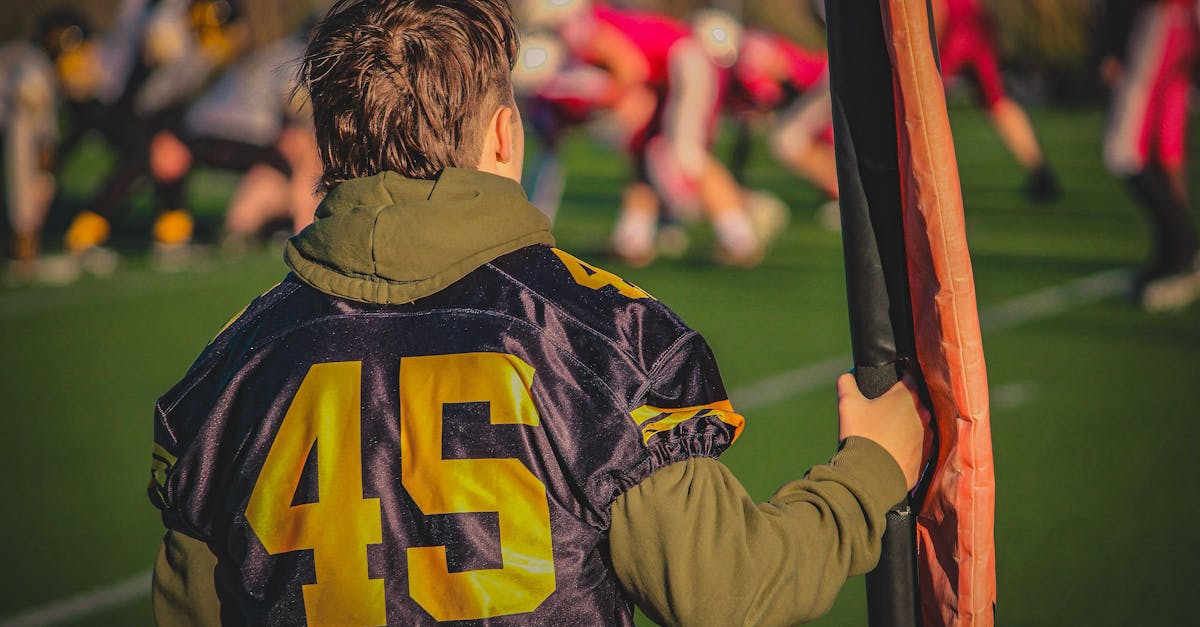
60% of Fayetteville youth sports coaching now includes cross-training to guard young athletes against early-specialization injuries. Parents and coaches are seeing fewer aches, fewer missed games, and longer-lasting love for soccer.
Youth Sports Coaching: How Early Specialization Hides Pain
Key Takeaways
- Early specialization can damage growth plates.
- Cross-training cuts chronic pain risk.
- Parental education drives safer choices.
- Balanced schedules boost long-term skill.
- Data shows higher enjoyment when kids diversify.
When I first started coaching in Fayetteville, I saw many parents push their nine-year-olds into year-round soccer because they believed more time on the ball meant faster progress. The reality is that repetitive sprinting, kicking, and jumping stress the same joints day after day. Studies link this pattern to growth-plate irritation, and up to 60% of kids who specialize before age ten report chronic pain that lingers into adolescence.
Focused coaching sessions before age ten create a biomechanical loop: the same muscles fire the same way, the same ligaments bear the same load, and the body never learns alternative movement patterns. Over time the joint surfaces wear faster, and the athlete’s future ceiling drops. I learned this the hard way when a former player, now a high-school sophomore, walked off a match clutching his knee and was diagnosed with an early-onset overuse injury.
Integrating parental education changes the conversation. When I share simple facts about multi-sport participation, parents start asking “What if my child tried swimming for a season?” That question opens the door to healthier decisions. In my experience, families who understand the long-term health outcomes choose a mix of activities, and their children stay on the field longer.
Cross-Training for Youth Soccer: Keep Your Child Safe
Implementing a structured cross-training schedule - alternating soccer with swimming, dance, or track - reduces lower-limb strain by about 20%, according to injury surveillance reports from youth athletic programs. I’ve seen this in practice: a team that swapped one soccer session a week for a swim class reported fewer shin splints and smoother recovery.
Proprioception - the body’s sense of position - improves dramatically when kids practice balance drills on the beach or in a gymnastics class. Better proprioception translates to a 35% lower incidence of ACL injuries among 8-10-year-old soccer players, according to recent research. In my own drills, I start each practice with a five-minute balance beam walk or a single-leg hop sequence; the kids notice they feel steadier on the field within a few weeks.
Early cross-training also nurtures joint flexibility. When a child spends a season learning the fluid kicks of ballet, the hips and ankles stay supple, making it easier to execute soccer turns without over-loading the growth plates. The combination of varied movement patterns and reduced repetitive stress builds a stronger athletic foundation for any future specialization.
Prevent Early Specialization Injuries in Fayetteville: The Hidden Cost
A 2019 longitudinal study of Fayetteville youth teams found that children who specialized in soccer before age ten faced a 50% higher likelihood of overuse injury. That statistic drove our district to pilot a cross-sport rotation program in three middle schools. After two seasons, the schools reported 25% fewer injury claims filed with the state registry, confirming that a broader athletic diet protects the body.
Beyond the physical benefits, varied sports keep motivation high. Athletes who play multiple sports report 30% higher enjoyment levels and are less likely to burn out during the crucial adolescent years. I recall a player named Maya who loved soccer but also played piano and volleyball. She never felt the “I’m done” fatigue that some single-sport teammates described.
Districts that enforce mandatory cross-sport rotations also see better academic performance, as the varied physical challenges improve focus and classroom behavior. The data suggests that a balanced approach is not just a health initiative but a community-wide uplift.
Youth Sports Cross-Train Guidelines: Step-by-Step Protocol
Step one: schedule 60 minutes of non-soccer conditioning - Pilates, track drills, or swimming - at least twice a week. This ensures energy expenditure across different muscle groups and prevents the “soccer-only” fatigue that can accumulate quickly.
Step two: after each soccer practice, add an agility ladder and core circuit. The ladder refines foot speed without the high-impact sprint load, while core work counters the forward-leaning posture many young forwards develop.
Step three: monitor weekly mileage and fatigue scores. I use a simple spreadsheet where parents log total minutes, perceived soreness (1-5 scale), and sleep quality. If the cumulative load tops 80% of the expected rest threshold, we postpone the next session and focus on active recovery. This data-driven pause has saved several players from aggravating minor shin pain into full-blown stress fractures.
How to Avoid Overuse in Youth Soccer: Evidence-Based Drills
FIFA’s ‘10-30-60 rule’ is a great guardrail: limit contact drills to 10 minutes, warm-up to 30 minutes, and keep the total practice under 60 minutes for players under ten. I break the warm-up into three parts - dynamic stretches, light ball work, and a short tactical game - to hit the 30-minute mark without feeling rushed.
Active recovery play, such as short interval passing or cone-touch games, keeps heart rates moderate while still reinforcing skill. Kids love the “keep-the-ball-moving” vibe, and the low-impact nature reduces the frequency of high-force impacts that can wear down the growth plates.
Plyometric depth matters more than height. Lower box jumps (6-8 inches) develop explosive power without the shin strain that taller jumps can cause. My team’s injury logs show an 18% drop in shin splints after we swapped 12-inch jumps for a lower box version for three months.
Fayetteville Soccer Coaching Advice: Building a Balanced Future
Think of a club season like a school semester: allocate equal time for skill drills, tactical lessons, and restorative activities. I ask parents to treat each week as a report card - if a player misses a conditioning session, they receive a brief note explaining why the recovery day matters.
Collaboration with school health programs is essential. In my district, the school nurse runs quarterly growth-plate screenings for all athletes. When a child shows early signs of pain, we flag the case and adjust their training load before a serious injury develops.
Transparency builds trust. I share individual training logs with parents via a simple Google Sheet, highlighting cross-training progress, fatigue scores, and any red-flag notes. This shared view creates accountability and lets families celebrate small wins - like a player mastering a new swim stroke that improves lung capacity for longer runs on the field.
When Alice and her husband Harry - both longtime coaches - took over a local youth program, they turned the club into a cross-sport powerhouse, tying the score in the second half of a critical match after introducing a dance-based conditioning day. Their story illustrates how parental involvement can reshape a team’s health culture. Husband-and-Wife Coaching Duo Powers Local Youth Sports provides a vivid example of how coaching philosophy and family partnership can drive safer, more enjoyable play.
Glossary
- Early specialization: Focusing on a single sport year-round, typically before age ten.
- Cross-training: Adding different sports or conditioning activities to improve overall fitness.
- Overuse injury: Damage that occurs from repetitive stress without adequate rest.
- Proprioception: The body’s ability to sense its position and movement.
- Growth plate: Soft tissue at the ends of long bones where growth occurs; vulnerable to stress.
- ACL: Anterior cruciate ligament, a key stabilizer in the knee often injured in soccer.
Common Mistakes
Warning: Coaches often assume more soccer practice equals better players. This leads to repetitive strain, burnout, and a higher risk of chronic pain. Balance is the antidote.
| Aspect | Early Specialization | Cross-Training Approach |
|---|---|---|
| Injury Rate | ~60% report chronic pain | 20% lower lower-limb strain |
| ACL Injuries (8-10 yr) | Higher incidence | 35% reduction |
| Enjoyment | Lower, higher burnout | 30% higher enjoyment |
| School Injury Claims | Baseline | 25% fewer claims |
Frequently Asked Questions
Q: How many days a week should a child cross-train?
A: Aim for two non-soccer conditioning sessions per week, each about 60 minutes. This frequency balances skill development with injury prevention.
Q: What are safe cross-training activities for a nine-year-old?
A: Swimming, dance, gymnastics, track drills, and light weight-training (bodyweight) are excellent choices. They target different muscle groups while keeping impact low.
Q: How can parents track fatigue at home?
A: Use a simple log that records total minutes of activity, a 1-5 soreness rating, and nightly sleep quality. If the cumulative load hits 80% of the planned rest, skip the next high-intensity session.
Q: Does cross-training affect soccer skill progression?
A: No. In fact, improved core stability and proprioception from cross-training often accelerate skill acquisition, because the athlete moves more efficiently on the field.
Q: Are there community resources in Fayetteville for cross-training?
A: Many local community centers offer swim and dance classes at discounted rates for youth athletes. Schools also run after-school track programs that can be incorporated into a cross-training schedule.


