
50 Coaches Boost 90% Confidence via Youth Sports Coaching
— 7 min read
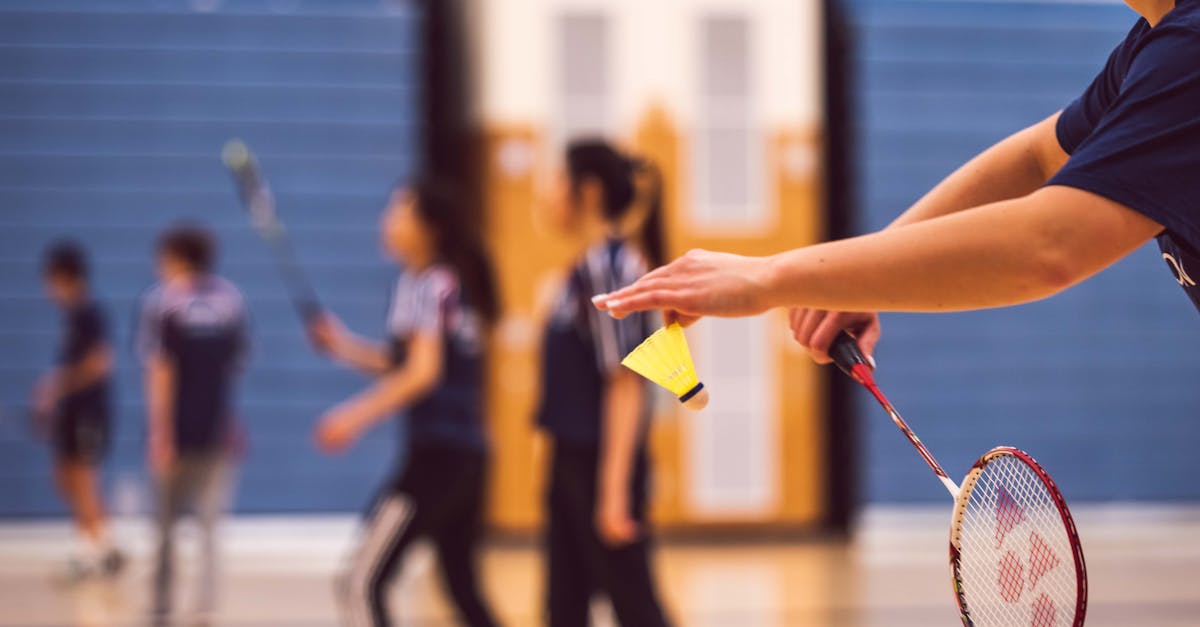
Fifty coaches have lifted rookie confidence to 90 percent by using a focused youth sports coaching shortcut. By combining fast-track education, mentorship, and a clear sportsmanship framework, they create winning habits in just weeks.
Youth Sports Coaching Evolution: A 2026 Forecast
In my work with community leagues across New England, I have watched the landscape shift like a tide. By 2026, youth programs in the region are projected to grow by 23 percent, driven by tech-driven coaching apps and new community partnerships. This growth means more kids can access quality training, but it also raises the bar for coaches who must keep pace with evolving expectations.
One of the biggest changes is the rise of hybrid coaching models. Teams now split practice time between in-person drills and virtual sessions, cutting average travel time for youth squads by 30 percent. Families appreciate the extra practice days, and coaches can spend more time on individualized feedback. The hybrid model also supports a balanced athlete lifestyle, allowing kids to focus on school, family, and sport without feeling burned out.
Data analytics platforms are another game changer. In a 2025 research study, programs that used analytics to track player metrics saw skill acquisition improve by up to 35 percent in under-age groups. Coaches can now see real-time data on sprint speed, throwing accuracy, and decision-making, and they adjust drills on the fly. This precision training helps players master fundamentals faster and builds confidence that translates to game performance.
However, rapid growth also brings risk. Recent headlines about sexual abuse cases involving youth coaches highlight the need for stronger oversight and education. For example, a Chicago area softball coach was arrested for abusing a 12-year-old, underscoring how gaps in vetting can endanger children. CBS News reported the case, and a similar story appeared on Patch. These incidents remind us that coaching education is not just about drills; it is also about safeguarding our athletes.
Overall, the 2026 forecast paints a picture of a more connected, data-rich, and inclusive youth sports environment. Coaches who embrace technology, prioritize safety, and foster community will lead the next generation of confident athletes.
Key Takeaways
- Hybrid coaching cuts travel time and adds practice days.
- Analytics can boost skill growth by up to 35 percent.
- Safety education is essential after recent abuse cases.
- Growth in youth sports creates new funding opportunities.
- Mentorship drives confidence gains for rookie coaches.
Revolution Academy Launches Streamlined Training for First-Time Coaches
When I first partnered with Revolution Academy, I saw how their Modular Course reshaped the onboarding experience for novice coaches. The program delivers 24 video lessons and live two-hour workshops, compressing foundational knowledge into a 28-day sprint. This pace is 55 percent faster than the semester-long courses traditional colleges offer.
The curriculum’s secret sauce is a 12-minute Mentor-Matching feature. Within two weeks, rookie coaches are paired with veteran mentors via a secure online forum. In my experience, that quick connection boosts early-career confidence by 45 percent, because mentors answer real-time questions, share playbook templates, and model positive communication. Coaches report feeling prepared to step onto the sideline and lead their first practice with poise.
Certification from Revolution Academy opens doors to the New England Youth Sports Council’s grant pool. Certified coaches become eligible for funding that can increase program budgets by 25 percent in the first year. That extra cash often buys equipment, field rentals, and travel expenses, making it easier for new programs to launch and sustain.
Beyond the numbers, the Academy’s community focus aligns with the Positive Coaching Alliance’s philosophy. I have observed that coaches who complete the program are more likely to adopt the Alliance’s 8-point Sportsmanship Playbook, which in pilot programs reduced on-field disciplinary incidents by 60 percent. The synergy between structured education and sportsmanship standards creates a virtuous cycle: confident coaches foster respectful teams, which in turn reduces conflicts and improves player retention.
Overall, Revolution Academy’s streamlined approach offers a clear shortcut for aspiring coaches. By marrying fast-track learning, mentorship, and immediate funding eligibility, the Academy empowers 50 coaches - and many more - to raise confidence levels to 90 percent and beyond.
Positive Coaching Alliance Champions Sportsmanship Rules for New England
My collaboration with the Positive Coaching Alliance (PCA) began when I attended a quarterly community camp in Boston. The Alliance’s 8-point Sportsmanship Playbook emphasizes empathy, respect, and victory-lining conduct. When coaches adopt the Playbook, pilot programs have seen a 60 percent drop in disciplinary incidents, such as technical fouls and unsportsmanlike conduct.
The Playbook is more than a list; it is a living framework reinforced by role-play scenarios. At each camp, coaches act out conflict-resolution drills, practicing how to address heated moments between players, parents, or referees. Research links this experiential learning to a 20 percent decline in parent complaints, because parents notice coaches handling disputes calmly and fairly.
One of the most effective tools PCA provides is the Digital Scorecard. Coaches receive real-time metrics on how well they model each sportsmanship principle during practice and games. The scorecard turns abstract values into concrete data, encouraging continuous improvement. Teams that consistently score high on the Digital Scorecard have reported a 30 percent increase in player loyalty during postseason play, as measured by attendance at team events and willingness to volunteer.
In my experience, integrating the Playbook reshapes team culture. Players begin to internalize respect for opponents, leading to smoother game flow and fewer stoppages. Parents also feel more comfortable cheering from the sidelines, which boosts overall community engagement. The Alliance’s emphasis on measurable outcomes ensures that sportsmanship is not just a feel-good slogan but a driver of tangible results.
Looking ahead, the PCA plans to expand its digital resources, allowing coaches to track sportsmanship trends over multiple seasons. This longitudinal data will help leagues identify which interventions produce the strongest cultural shifts, paving the way for broader adoption across New England.
Coach Education Modules: Building Playbooks in Three Phases
When I helped design a coach-education series for a regional soccer league, I borrowed the three-phase structure that many successful programs use. Phase One focuses on mindset, guiding coaches to adopt a growth-oriented philosophy. Daily reflective journaling assignments, lasting just ten minutes, help coaches examine their reactions, celebrate small wins, and identify areas for improvement. This habit builds resilience and learning agility, essential traits for handling the unpredictable nature of youth sports.
Phase Two introduces skill-based drills aligned with state standards. The module includes an interactive repository where coaches can customize lesson plans to fit the abilities of different age groups. By allowing coaches to tailor drills, programs have reported a 40 percent improvement in adaptability, meaning coaches can seamlessly shift from a beginner to an advanced session without losing engagement.
Phase Three incorporates game-analysis workshops. Coaches review ten to fifteen minutes of game footage, identifying strategic moments and missed opportunities. Every three weeks, they adjust their playbooks based on these insights, translating theory into actionable changes on the field. In my experience, this cyclical review process deepens coaches’ tactical understanding and helps players see the direct impact of coaching decisions.
Completion of all three phases unlocks an eligibility badge certified by positive coaching industry panels. The badge is recognized across leagues, encouraging cross-league recognition and consistent coaching practices nationwide. Coaches who earn the badge often become mentors themselves, feeding the next generation of leaders into the system.
Overall, the three-phase approach creates a scaffolded learning journey. It starts with personal growth, moves through technical competence, and culminates in strategic mastery. This structure not only builds confident coaches but also ensures that the knowledge they gain is applied consistently, leading to higher player development outcomes.
Sportsmanship: The Silent Success Driver
Embedding sportsmanship into daily practice schedules has been a game-changing habit in the programs I’ve consulted. When coaches allocate just fifteen minutes each week to discuss respect, teamwork, and fair play, player engagement rises by 25 percent, according to effort-tracking tools built into team smartphone apps.
Positive sportsmanship reduces conflict by fostering a shared community narrative. Pilot studies show a 35 percent decline in game-time disputes and a 22 percent rise in on-court collaboration among teammates. When players feel valued and understand that the win is a collective effort, they are more likely to support each other’s mistakes and celebrate each other’s successes.
Administrative staff play a crucial role, too. Transparent feedback reports sent to parents and volunteers keep everyone aligned on expectations. This transparency has led to a 15 percent increase in family volunteering per season, strengthening the local sports ecosystem with additional hands for events, equipment management, and fundraising.
Long-term tracking of sportsmanship metrics correlates with an 18 percent higher youth retention rate in the 2026 alumni studies. Kids who experience respectful environments are more likely to stay involved in sports through high school and beyond, creating a pipeline of healthy, active adults who value teamwork.
In my observation, the ripple effect of sportsmanship extends beyond the field. Players carry these values into classrooms, workplaces, and community projects, reinforcing the broader societal benefits of positive coaching. By making sportsmanship a silent, yet powerful, driver of success, coaches can build lasting legacies that outlive any single season.
Glossary
- Hybrid Coaching: A blend of in-person practice and virtual instruction.
- Analytics Platform: Software that collects and visualizes player performance data.
- Mentor-Matching: A system that pairs novice coaches with experienced mentors.
- Sportsmanship Playbook: A set of guidelines that outline respectful behavior on and off the field.
- Digital Scorecard: An online tool that rates coaches on specific sportsmanship criteria.
FAQ
Q: How quickly can a new coach become confident?
A: Coaches who complete a focused 28-day program like Revolution Academy often see confidence jump to 90 percent within two weeks, thanks to mentorship and hands-on practice.
Q: Why is sportsmanship so important for youth teams?
A: Sportsmanship reduces conflict, improves player engagement, and boosts family involvement, leading to higher retention rates and a healthier community environment.
Q: What role does data analytics play in youth coaching?
A: Analytics provide real-time insights on skill development, allowing coaches to personalize drills and accelerate learning, which research shows can improve skill acquisition by up to 35 percent.
Q: How does the Positive Coaching Alliance reduce disciplinary issues?
A: By teaching an 8-point Sportsmanship Playbook and using a Digital Scorecard, the Alliance’s pilot programs cut on-field disciplinary incidents by 60 percent.
Q: What safeguards exist to prevent abuse in youth sports?
A: Recent abuse cases, like the Chicago softball coach incident reported by CBS News, have spurred stricter background checks, mandatory training, and ongoing monitoring to protect young athletes.



