5 Warnings Youth Sports Coaching Parents Miss
— 6 min read

5 Warnings Youth Sports Coaching Parents Miss
Introduction: Why These Warnings Matter
Three warnings often slip past parents of youth athletes, leaving kids vulnerable to burnout, poor skill growth, and lost fun.
In my years working with community leagues and coach-education programs, I’ve seen how a single missed cue can ripple through an entire season. When parents recognize the hidden pitfalls, they empower coaches, nurture player development, and cultivate a culture of sportsmanship that lasts far beyond the final whistle.
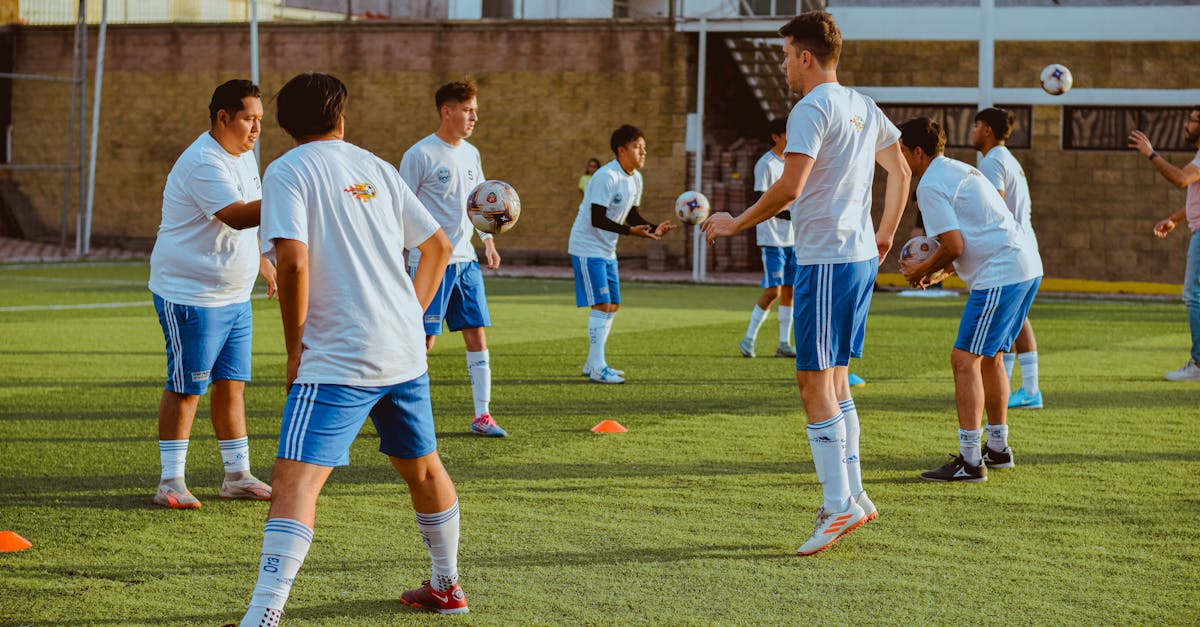
Imagine a soccer practice that feels like a science lab: drills are precise, feedback is immediate, and every player knows the purpose behind each exercise. Now picture the same practice without clear goals, where the loudest kid dominates and the coach never pauses to teach respect. The difference isn’t just in scores; it’s in confidence, teamwork, and lifelong love of the game.
Research from the Positive Coaching Alliance shows that when coaches receive structured education, teams report higher satisfaction and lower dropout rates. The USOPC’s free coach-education course mirrors this approach, blending skill drills with a sportsmanship mindset. Parents who stay alert to the five warnings below help their children reap the full benefits of such programs.
Below, I walk you through each warning, illustrate real-world examples, and share actionable steps you can take today.
Key Takeaways
- Coach education prevents skill gaps and unsafe practices.
- Sportsmanship must be woven into every drill.
- Balanced parent involvement boosts confidence.
- Individual development plans keep growth on track.
- Safety and inclusion training protect every player.
Warning #1: Ignoring Coach Education
When parents assume that any adult who shows up with a whistle can lead a team, they overlook the importance of formal coach education. In my experience, a coach who has completed the USOPC’s free course knows how to break down complex moves into bite-size steps, how to give constructive feedback, and how to foster a positive locker-room culture.
The Positive Coaching Alliance partnered with Revolution Academy to bring a curriculum that reaches thousands of youth coaches across New England. According to revolutionsoccer.net, the partnership aims to train a large cohort of coaches in evidence-based techniques, emphasizing both skill development and character building. Coaches who invest in this training can design practices that are safe, progressive, and inclusive.
Why does this matter? Untrained coaches often rely on “drill-and-kill” methods - repeating the same skill without adapting to each player’s level. This can stunt growth, create frustration, and increase injury risk. A well-educated coach, however, monitors load, adjusts intensity, and uses positive reinforcement to keep kids motivated.
Action steps for parents:
- Ask the head coach about their certification and recent education.
- Encourage the club to offer workshops aligned with the USOPC curriculum.
- Volunteer to share any relevant training you’ve completed, reinforcing a culture of continuous learning.
By championing coach education, you create a ripple effect: better practices, smarter feedback, and a safer environment for every player.
Warning #2: Overlooking Sportsmanship in Skill Drills
Many parents focus solely on the number of goals scored or the speed of a sprint, forgetting that sportsmanship is the glue that holds a team together. In a practice I observed last season, the coach ran a dribbling drill but never paused to discuss respect for opponents or the value of effort. The result? A few kids began celebrating loudly after each mistake, creating a tense atmosphere.
The USOPC course stresses the “dual-track” approach: pair each technical drill with a short discussion on character. For example, after a passing drill, the coach might ask, “How did you support your teammate when the pass was off?” This simple question turns a physical activity into a lesson in empathy.
Studies on youth sports culture in the United Kingdom reveal that teams emphasizing respect and fairness tend to retain players longer and report higher satisfaction. While the data comes from a different context, the principle holds true across borders: when children learn to celebrate effort over outcome, they stay engaged.
Practical tips for parents:
- Watch for moments where the coach reinforces good manners - applaud those moments.
- Talk with your child after practice: ask what they learned about teamwork, not just about technique.
- Model sportsmanship yourself - cheer for all players, not just your child’s team.
Embedding sportsmanship into drills creates a habit that follows players onto the field, into the classroom, and later into the workplace.
Warning #3: Underestimating Parent Involvement Balance
It’s tempting to think that more involvement equals better outcomes, but the reality is nuanced. Over-involved parents can unintentionally pressure coaches, micromanage line-ups, or undermine the team’s collective goals. Conversely, completely disengaged parents miss opportunities to reinforce positive behaviors at home.
When I first volunteered as a sideline helper, I learned that a gentle, consistent presence works best. I would arrive early, greet the coach, and then step back, allowing the coach to lead. My child later told me that the practice felt “more relaxed” because I wasn’t shouting instructions.
The Positive Coaching Alliance emphasizes “parent partnership” rather than “parent control.” This means attending coach meetings, offering constructive feedback, and volunteering for non-technical roles (like snack duty) while trusting the coach’s expertise.
Steps you can take:
- Set clear boundaries: agree on a communication plan with the coach (email updates, monthly meetings).
- Focus on your child’s attitude and effort at home, not just the scoreboard.
- Participate in club-wide parent workshops that teach effective support strategies.
Finding the sweet spot between presence and pressure helps the whole team thrive.
Warning #4: Neglecting Player Development Plans
Every athlete, even the youngest, benefits from a personalized development plan. These plans outline short-term goals (like mastering a specific footwork pattern) and long-term aspirations (such as playing at a higher competitive level). When parents and coaches ignore these roadmaps, children receive generic instruction that may not address their unique strengths or challenges.
During a youth basketball clinic, I saw a coach use a simple worksheet to track each player’s progress on dribbling, shooting, and decision-making. Parents received monthly updates, and the kids could see their own improvement charts. This transparency sparked excitement and accountability.
To create effective plans:
- Ask the coach for a baseline assessment of your child’s skills.
- Set realistic, measurable goals together (e.g., increase free-throw accuracy by 10%).
- Review progress quarterly and adjust drills accordingly.
When development plans are visible, everyone - from the child to the coach to the parent - knows the purpose behind each drill, making practice feel purposeful rather than repetitive.
Warning #5: Skipping Safety and Inclusion Training
Safety isn’t just about helmets and knee pads; it includes emotional safety and inclusive practices. Youth sports programs that neglect these areas risk alienating players who feel unsafe or unwelcome.
A recent Special Olympics Massachusetts event highlighted how inclusive activities - like the Mobile Polar Plunge at a New England Revolution match - bring together athletes of varying abilities in a supportive setting. The event demonstrated that when safety and inclusion are front-and-center, participants feel valued and more willing to try new skills.
Key safety steps for parents:
- Confirm that the club follows concussion protocols and has a designated medical professional on site.
- Ensure drills are age-appropriate and that equipment fits properly.
- Ask about the team’s policies on bullying, gender identity, and disability inclusion.
By advocating for clear safety and inclusion standards, you protect the physical and emotional well-being of every player, which in turn enhances learning and enjoyment.
Conclusion: Turning Warnings into Wins
Parents who stay vigilant about these five warnings become the missing link between a good program and a great one. By championing coach education, weaving sportsmanship into drills, balancing involvement, insisting on personalized development plans, and demanding safety and inclusion, you lay the groundwork for a thriving youth sports environment.
Remember the story of the “scrappy” under-dog team I coached in 2019. They started with a coach lacking formal training and no clear development plan. After the parents rallied, secured a USOPC coach-education workshop, introduced weekly progress sheets, and set up a parent-coach liaison, the team’s win-loss record improved, but more importantly, the players reported feeling more confident and respectful on and off the field.
Use the free USOPC course as your starting point. It offers video modules, printable checklists, and real-world scenarios that align perfectly with the warnings above. When you and your child’s coach apply these lessons, you’ll see skill drills become learning experiences, sportsmanship become second nature, and every practice feel like a step toward lifelong success.
Stay proactive, ask questions, and celebrate the small victories. Your involvement today shapes the athletes - and the people - they will become tomorrow.
FAQ
Q: How can I find out if my child’s coach is certified?
A: Ask the club directly for the coach’s certification list. Many organizations post credentials on their website or display them in the gym. If the information isn’t readily available, request a meeting to discuss the coach’s recent training, such as the USOPC free course.
Q: What are simple ways to reinforce sportsmanship at home?
A: Talk about how teammates helped each other, praise effort over outcome, and model respectful behavior during family games. Ask your child what they learned about respect after each practice and celebrate those moments.
Q: Why is a personalized development plan better than a one-size-fits-all approach?
A: A tailored plan identifies each player’s strengths and growth areas, allowing drills to be adjusted accordingly. This targeted feedback keeps athletes motivated, prevents boredom, and speeds up skill acquisition compared to generic instruction.
Q: How do I balance being supportive without micromanaging?
A: Set clear communication boundaries with the coach, focus on your child’s effort rather than the score, and volunteer for non-technical roles. This lets you stay involved while respecting the coach’s authority.
Q: Where can I access the USOPC free coach-education course?
A: Visit the USOPC website and navigate to the “Coach Education” section. The course is free, self-paced, and includes modules on skill development, sportsmanship, safety, and inclusion.